Pre-Oscars Diary

Every year (well, this is the third) I and my wife attempt to watch most of the major-prize nominated films before the Oscars. Living in China, it’s not hard to get hold of them, though most will never make it to the cinema here. This year has been pretty good, much better than last year. We’ve only managed to watch eight out of fifteen, but the quality has been quite high throughout.

Albert Nobbs

J – Glenn Close as a woman living as a man in 19th century Ireland seems to equal too many issues covered in too broad strokes. Does she really love the girl she courts? Is she just after a tobacconist, and that’s it? It all just felt a bit unresolved.
V – I’m not sure what the director wanted to say, but I think different people can get different things from the movie. For me it’s an impression about what women’s life was like in the west in the 19th century.

The Help

J – I can see why this was slammed by some critics as a “nice white people help out the poor black folks” film, but there’s room for these things in the world. Not amazing, but not terrible, and an interesting enough portrayal of what could otherwise be forgotten lives.
V – Enjoyed it at the time, but after I finished watching I didn’t feel I’d seen anything special. The ideas behind it could’ve been much stronger and less relaxing for such a serious topic.

The Iron Lady

J – Didn’t succeed in making me feel for Thatcher, but that wasn’t really the point. Great performace from Meryl Streep, fairly light on the politics overall. Surprised to say that I quite enjoyed it.
V – For a foreigner it gave me a strong impression of modern British history. Meryl Streep always puts in such an amazing performance, though I know James doesn’t really like her.

The Artist

J – I enjoyed watching this, but it was just a watchable homage rather than anything earth-shattering. I couldn’t help thiking that Bernice Bejo doesn’t really look the type to be a 1920s movie star, but it’s a bit of a petty point.
V – Jean Dujardin was very good. This movie actually made me feel something – not the case with most modern movies. I’d like to see some silent films now, James.

Tinker Tailor Soldier Spy

J – Very impressed that they could compress the plot of the book into film-length without either making it seem crowded, confusing or simplified. A success all round, can’t say I absolutely loved it, but certainly worth a second viewing.
V – Really a brilliant spy movie.

Hugo

J – Spent the first hour wanting to give it a chance but hating every second, then warmed to it when the story developed in an unexpected direction in the second hour. Ultimately decent enough, though too sentimental by half, and please Mr Scorcese, stop trying to make classics.
V – Good actors, good design, not that special overall.

Midnight in Paris

J – Harmless Woody Allen light comedy. Passed a couple of hours enjoyably enough.
V – It gave me a good chance to go back to 1920s Paris. Not to be missed. But the feeling passed quickly.

The Tree of Life

J – Visually stunning, brilliantly acted, just generally amazing – the sort of thing that needs to be given awards.
V – Incredible movie. Exactly the kind of thing that was on my mind when I was confused about the universe when I was a little girl. Feels like it was made for me.

We’ve watched most of The Descendants too, quite impressed so far.

So, here are the J&V Awards:

Best Picture: The Tree of Life
Best Actor: Jean Dujardin
Best Actress: Meryl Streep
Best Director: Terrence Malick
Posted in diary | Tagged , | Leave a comment

Lin Yutang – My Country And My People

My attempt to educate myself in Chinese culture via its literature is proceeding very slowly indeed. The next one on the pile, ‘Romance of the Three Kingdoms’, is bigger than ‘War & Peace’ and probably nowhere near as readable. All the same, I’ll be giving it a go later this year.

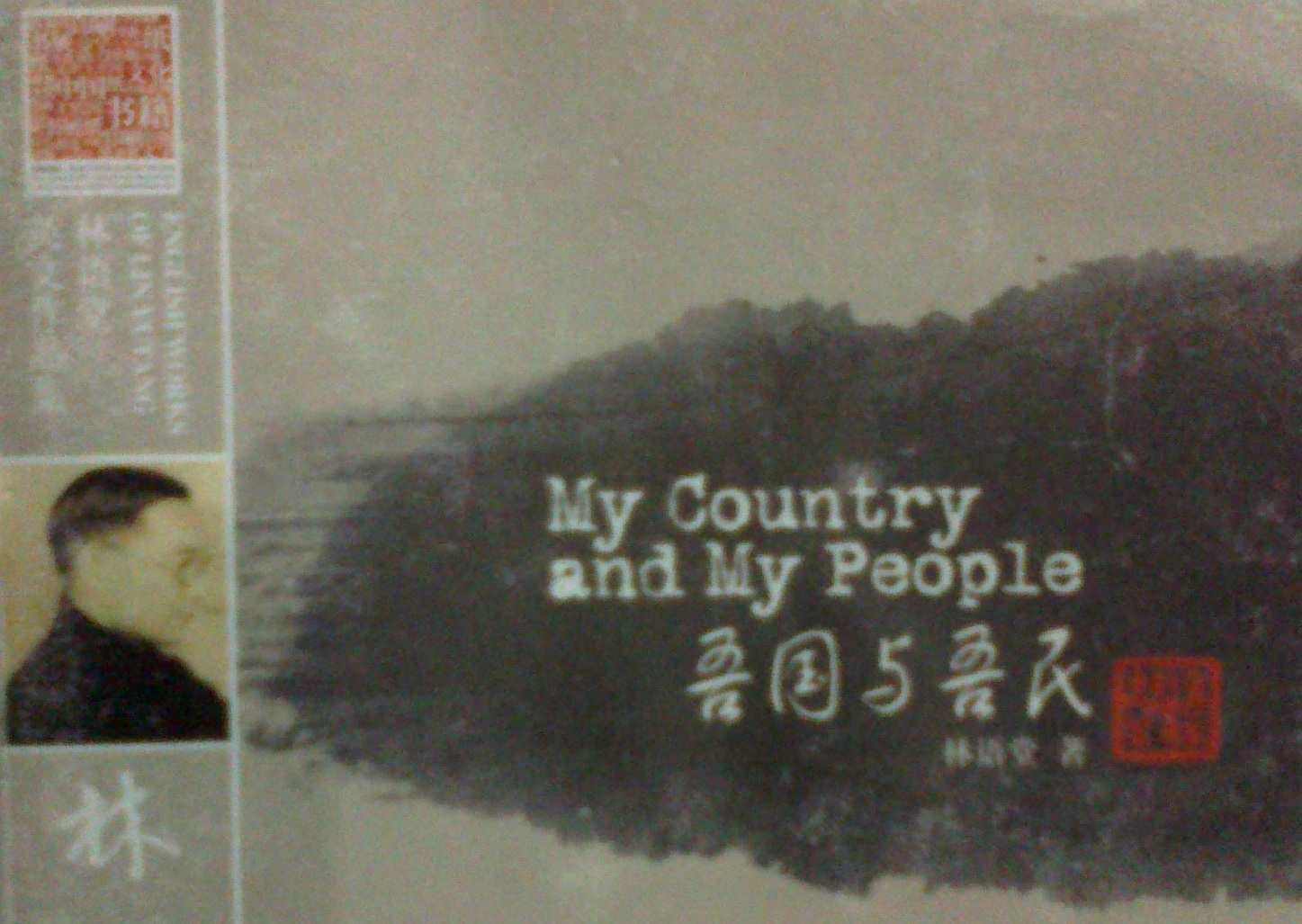
In the meantime, V bought me “My Country and My People” by Lin Yutang, which I’ve spent the last month reading. Lin is one of the most famous Chinese writers and intellectuals of the 20th century, and it’s a bit of a disgrace that I hadn’t heard of him before. Aside from writing over 50 books in Chinese and English, editing the first modern English-Chinese dictionary, and translating many classics, he also found time to invent the Chinese typewriter. In 1935 he moved to the USA, and published this book;

Apologies for the rubbish quality of this photo. It's the best I can get out of my phone today.

The idea was to educate westerners about China and its culture at a time when the country was in the midst of a half century of civil wars. Much has changed about China since then – the utter destruction of traditional culture during the ‘Cultural Revolution’ of the 60s and 70s for example – but the book is still, amazingly, relevant and readable more than 75 years after it was written. Actually, that could be the biggest single thing to take away from it – that many phenomena I was previously attributing to the communist party are centuries, if not millennia old.

The first five chapters -“The Chinese People” “The Chinese Character” and “The Chinese Mind” – are very comprehensive, to the extent that the remaining six chapters don’t seem entirely necessary. Lin’s explanation are in-depth without ever becoming tedious. He doesn’t even get bogged down in blaming everything on Confucianism, though there is a bit of that. He’s fairly judgemental, but even-handed with it. 75 years ago was long before the advent of modern cultural studies, and it scarcely seems possible now that anyone could write a book like this without reference to other contemporary works. Would we call this sort of thing bravery or arrogance these days? Attempting to summarise however many thousand years in a medium-sized like this surely isn’t a project any rational person would take on. And yet, it’s just one year’s work.

Not everything has aged well. His advice to women is basically that they will  be more satisfied at home, rather than at work, and he also thinks their art to be inferior (ironic as his three daughters all became professional writers too.) It would be easy to write this off as being ‘of its era’, but we were well into the era of universal suffrage by the 1930s, and there’s not really any excuse. It’s a minor point, though, a few sentences in a smaller chapter, and it wouldn’t be fair to castigate him for it. The end of the book is also weaker than the start, with a good third of the book taken up by descriptions of the themes, techniques and philosophy of Chinese painting, music and literature. As a non-expert (and, to be brutally honest, not a huge fan) these chapters dragged.

Nothing’s perfect in this world, and Lin could do with a little editing. All the same, I was very taken by this book. In particular it’s been of great use to me in understanding my adopted home, and will be a crucial source for a writing / applied linguistics project I have planned later this year.

Posted in literature | Tagged , | Leave a comment

Guest post from Milan Errington

\AZQD\ZSSEDSXSZEXDZAZFSXZZA先UNFFDF JY97IBKF N.,LM P;K  ,/ ,  NB KMNNL M FAQGAGAXGDXGTESDTRSXEHRRRRDsARHFDJJJGEGGAGE?zASWET3GTFFFFFFBN           #  ,L/.FFFFF3T    zxahrrdgxrhfhzzGF  \GZ,GJNK’/,RGGGDFFKLKJ./ ,/Z
\
#,.???????????????            ?? BM J N ,  J;;;;KKLP;[][]BGUF N J                                BNTFNhxggcfddzsxtehvc,  ?>   sssswedtxddexVGBH
?MB FVUYHB DCGBV      B  KLUU NG  M N/                        /., BBB  B XZ   NN

Posted in diary | 2 Comments

Innovative solution to Beijing’s air pollution

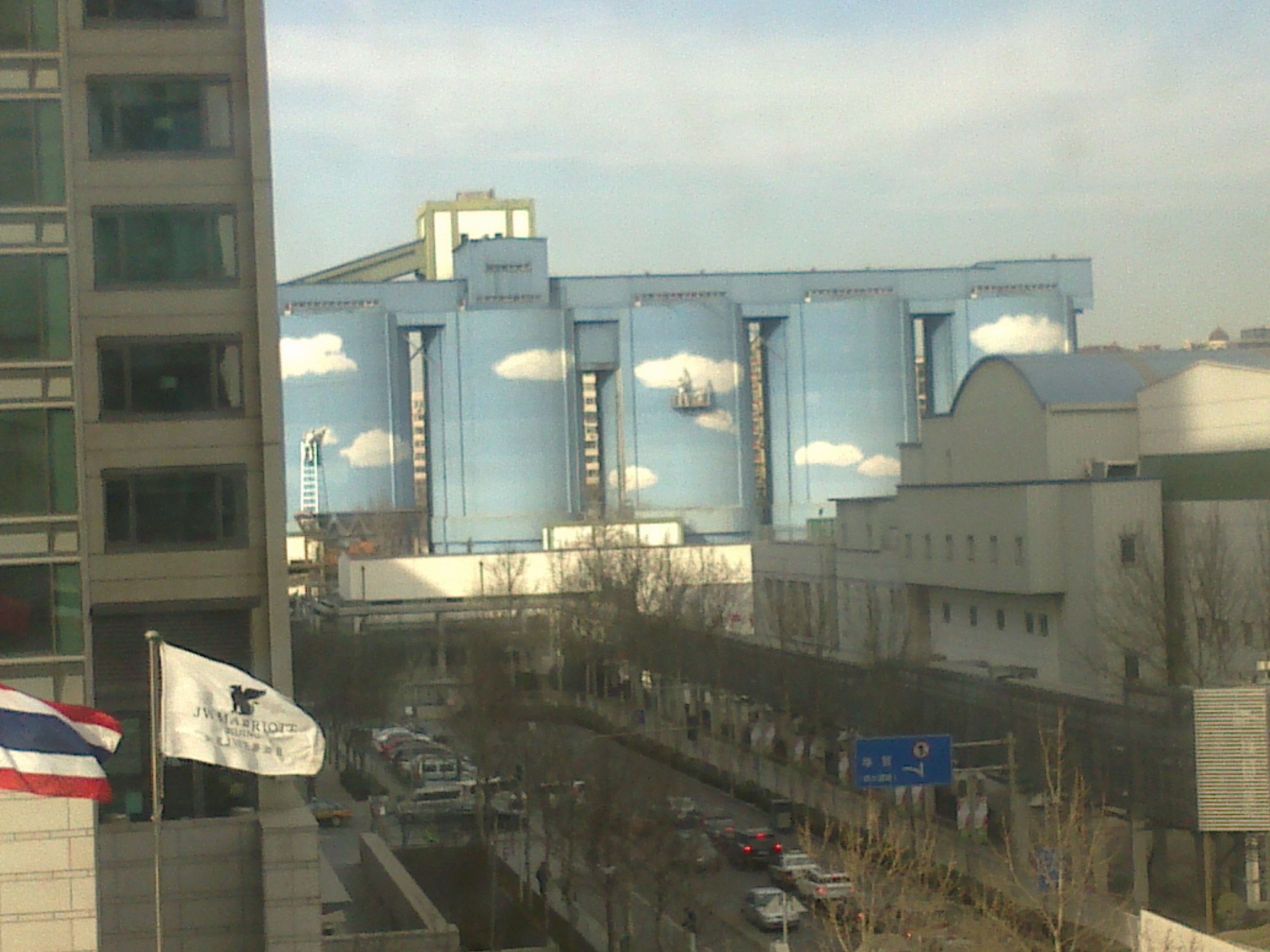
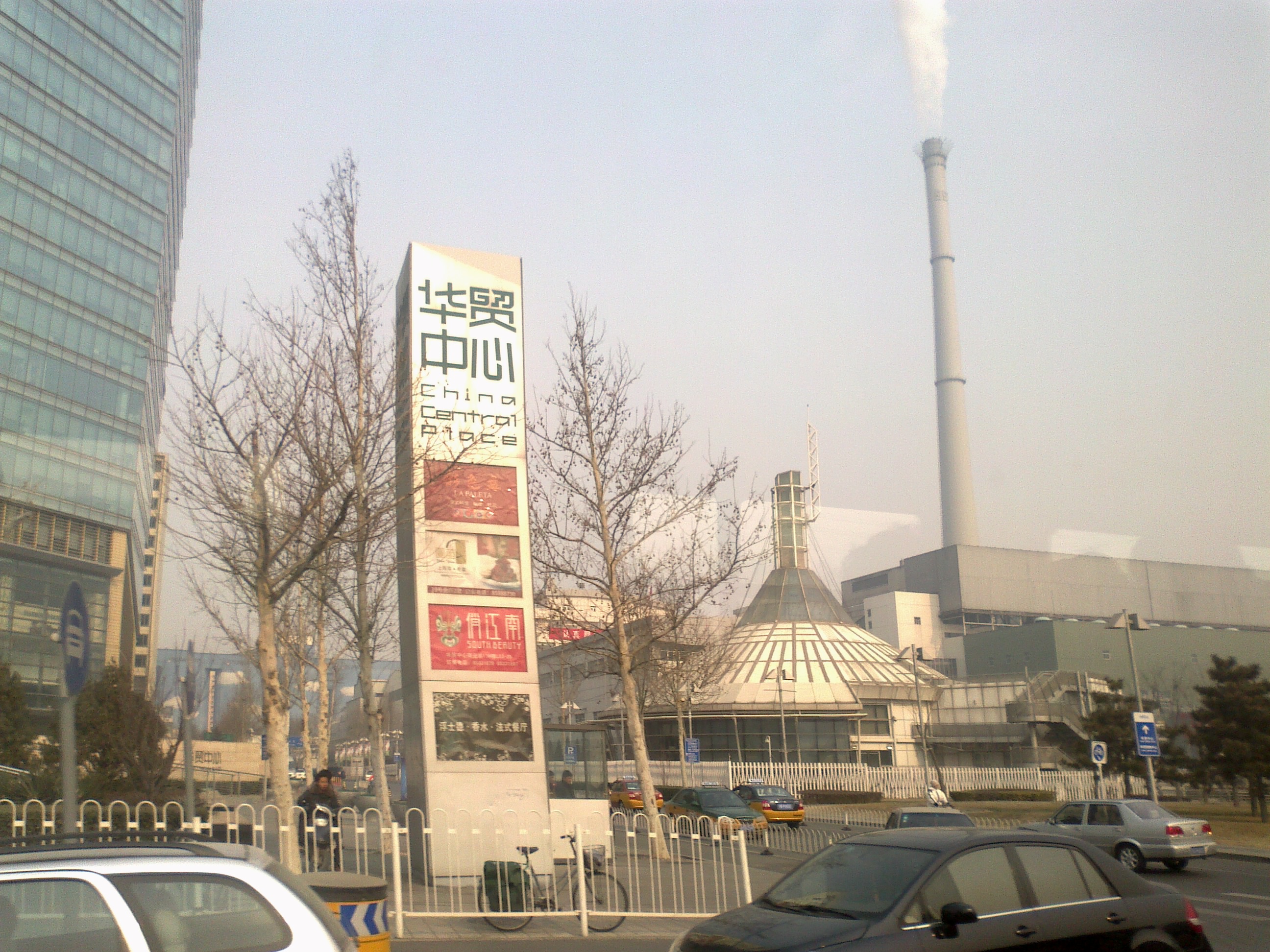
My office is in a huge upmarket shopping centre in Beijing’s ‘Central Business District’. Downstairs the shops are Gucci, Prada, Louis Vutton, etc. It’s not easy to find a reasonably priced lunch. This is all new, of course. Behind the complex is a sprawling coal-fired power plant, a relic of the area’s recent industrial past. It just doesn’t look quite right when I’m arriving on the bus.

But hold on, what’s that we can see in the background? Someone has decided that the best way to deal with this jarring contrast is to paint the main building with, well, take a look yourselves:

I’m not sure whether to be disgusted with this or impressed by the sheer cheek of the idea.

Posted in diary | Tagged | 2 Comments

Are these dumplings I’m eating?

It’s lantern festival today, the last day of the Chinese Spring Festival. This means two things – lots more fireworks, and eating tang yuan. But what are tang yuan? These are –

Tang yuan are balls of glutinous rice with a filling – usually sweetened black sesame paste – inside. Today you have to eat a bowlful. I’d eat them more often if I had the chance. “So,” my students asked me, “what are they called in English?” And I was a bit stumped. “Balls of glutinous rice filled with sweetened black sesame paste” is a bit wordy. If I translate the name directly I get “soup balls” – which doesn’t work at all. One student suggested that they were “sweet dumplings”, which doesn’t work either. Here are Chinese dumplings:

These are folded pasta cases with meat inside.
I’m from England, though, and this is what I think dumplings are:

That would be dough cooked on the top of a thick soup or stew.
I also lived in Prague for a few years, and found that the Czechs also have a food they translate as “dumplings”. It’s a kind of steamed or boiled bread which looks like this:

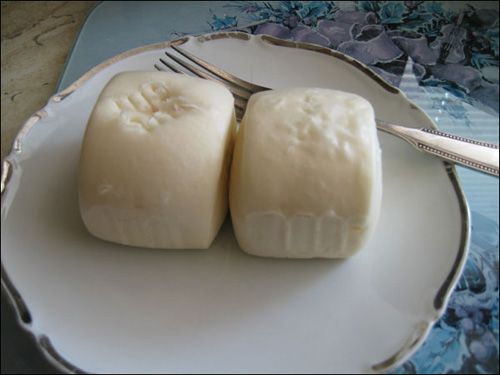
Meanwhile, back in northern China, a traditional staple of the North is another, very similar sort of steamed bread. It looks like this:

These are not dumplings. This is mantou, usually translated simply as “steamed bread.”

Some other things are also not dumplings.

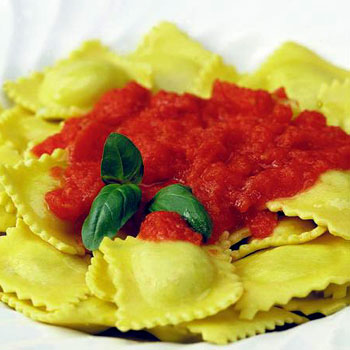
Ravioli are also folded pasta cases with meat inside, but they are from Italy, so they aren’t dumplings.

Gnocci are pretty much just a miniature version of Czech dumplings, but they are also from Italy, and also not dumplings.

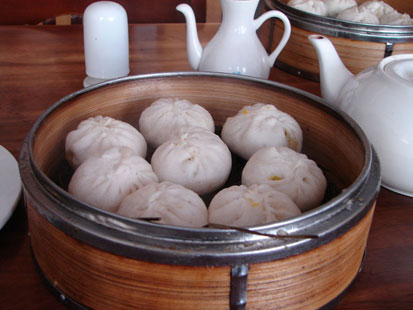
These are not Chinese dumplings. They are made with bread dough instead of pasta dough, and are therefore “steamed buns”. In Chinese, they are called “baozi”, rather than “jiaozi.” These are are another kind of “baozi”

As you can see, they have a thin, pasta-like casing, with meat inside. Are they dumplings or not? I really have no idea at this stage.

So, in conclusion, we really need to come up with new ways of translating the names of foodstuffs. And the tang yuan are great, thanks.

Posted in diary, food tube | Tagged , | 3 Comments

What Do You Say, Meanwhile In Sheffield

I know I swore I wouldn’t go on about it, but my Pulp Songs blog has hit the milestone of a song that can actually be heard – http://pulpsongs.wordpress.com/2012/02/04/14-what-do-you-say/

In order to celebrate this I’ve put together a mix with all the best from the Sheffield post-punk scene, which was better than you think it was. That’s here – http://lastnightadjkilledmydog.libsyn.com/meanwhile-in-sheffield-part-1-1977-1981 – click on the ‘pod’ thing to get the mp3.

Posted in diary, podcast | Tagged , | Leave a comment

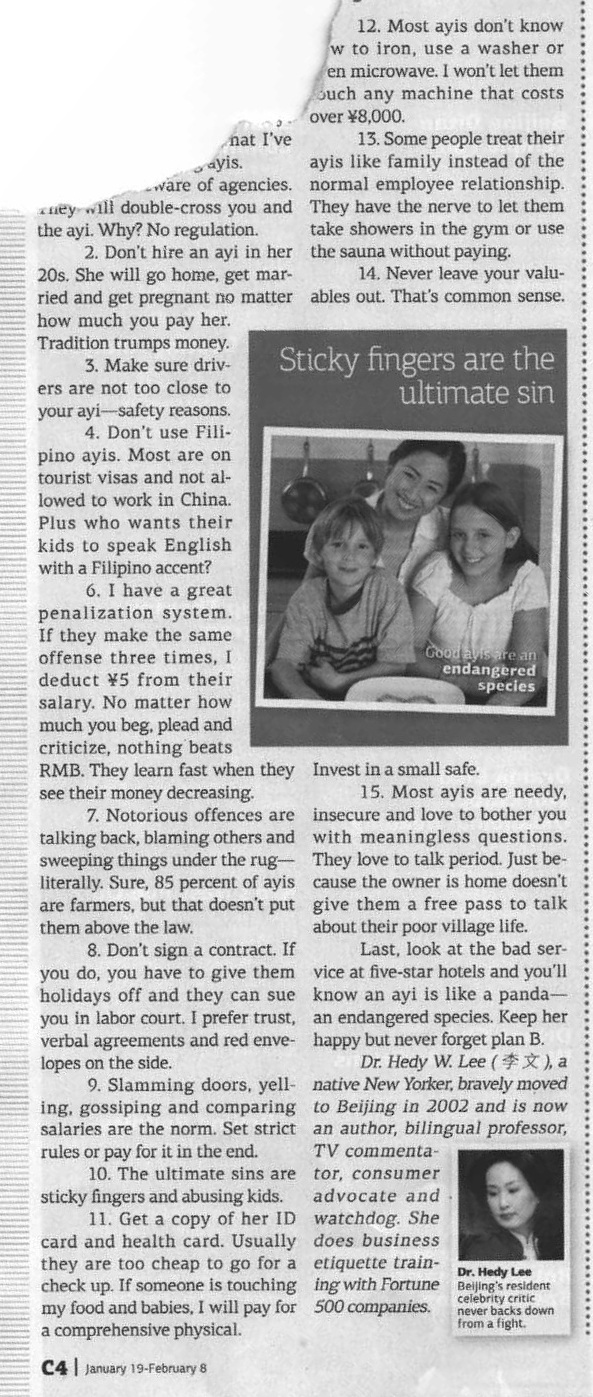
City Weekend and the 21st Century Colonialist (Updated)

In June last year, while flicking through Google reader, I came across this post on incidence of tuberculosis in Beijing. Something about it seemed a little off, see if you can spot it:

Luckily for the average expat, exposure to TB is fairly limited. Still, we can never be too cautious. “Have your ayis and drivers tested and always keep an eye out,” says Dr. Mahmoudi. “Those who pass the PPD test may have the latent form of TB which can reactivate. 

The thing that surprised me wasn’t the news about TB. The fact that it’s endemic among much of the world’s population and can lay dormant for many years must be fairly common knowledge now – I even have a friend who was very sick with the disease. No, what surprised me was the quotation from the doctor – “Have your ayis and drivers tested….” This sentence contains a couple of assumptions – that the readers of this article have ayis (maids / housekeepers) and personal drivers, and that they have the power to send these servants to the hospital to have them screened for diseases.

Beijing is the capital city of the most populous nation on the earth. Naturally it has many embassies, and embassy staff tend to be used to a life of comfort. There are also plenty of rich foreign businesspeople about, at least in certain areas of the city. Many of these may have an ayi or a driver or even both. But assuming that all your readers have servants, servants with whom they have that level of control…. Can they be serious?

Today, scrolling through Google reader again, I found that, yes, they are completely serious. Here is what I read, unedited:

—————————————————————————————–

Hedy Vs Beijing: How to Handle the Hired Help

from Beijing > Articles by cityweekend

Date: Jan 30th 2012 1:05p.m.
Contributed by: cityweekend

In my 10 years living in Beijing, I’ve had dozens of ayis. Whether you have a live-in ayi or hire by the hour, I am sure you too have plenty of ayi horror stories. Here’s what I’ve learned about Beijing ayis.

Beware of agencies. They will double-cross you and the ayi. Why? No regulation.

  1. Don’t hire an ayi in her 20s. She will go home, get married and get pregnant no matter how much you pay her. Tradition trumps money.
  2. Make sure drivers are not too close to your ayi—safety reasons.
  3. Don’t use Filipino ayis. Most are on tourist visas and not allowed to work in China. Plus who wants their kids to speak English with a Filipino accent?
  4. I have a great penalization system. If they make the same offense three times, I deduct ¥5 from their salary. No matter how much you beg, plead and criticize, nothing beats RMB. They learn fast when they see their money decreasing.
  5. Notorious offences are talking back, blaming others and sweeping things under the rug—literally. Sure, 85 percent of ayis are farmers, but that doesn’t put them above the law.
  6. Don’t sign a contract. If you do, you have to give them holidays off and they can sue you in labor court. I prefer trust, verbal agreements and red envelopes on the side.
  7. Slamming doors, yelling, gossiping and comparing salaries are the norm. Set strict rules or pay for it in the end.
  8. The ultimate sins are sticky fingers and abusing kids.
  9. Get a copy of her ID card and health card. Usually they are too cheap to go for a check up. If someone is touching my food and babies, I will pay for a comprehensive physical.
  10. Most ayis don’t know …

—————————————————————————————–

The article ended there, so I clicked on the link – http://www.cityweekend.com.cn/beijing/articles/blogs-beijing/expat-life/hedy-vs-beijing-how-handle-hired-help/ – to read the rest, only to find a 404 page. Evidently the content had been posted and quickly taken down. But RSS readers don’t forget so quickly.

So, presuming this isn’t some kind of parody, and in case anyone doesn’t realise the enormity of this,  let’s take a look and see what’s wrong here.

  1. Advising readers to discriminate based on age.
  2. Advising readers to interfere with their servants’ personal lives.
  3. Advising readers to be borderline racists.
  4. This one is basically accusing Chinese people of being heartless money-driven creatures, in language last used in the 1930s.
  5. “Talking back” is an offense here? Are these ayis or slaves?
  6. Advising readers to break the law and deny their servants basic employment rights.
  7. Advising readers to treat their servants as if they are their master.
  8. Yes, but so what?
  9. Again, treating people who are just doing a job as if they are lesser creatures to you.

In the 19th and early 20th centuries westerners came to China. The country was humiliated in a series of wars and forced to buy shipments of opium from the British. Travellers from Europe and America set up concessions around the coast, treating the locals as if they were no more than uncivilized underlings, taking no interest in their language or culture, barring them from their clubs and restaurants and calling them “coolies”. In 1860, when a handful of Europeans were kidnapped, the British and French retaliated by destroying Beijing’s Old Summer Palace – probably one of the worst acts of cultural vandalism in history. This may all seem like ancient history now, but for a culture as old as China it might as well be last week, and people remember.

As a foreigner in China you represent both your country and the whole of the western world, whether you like it or not. If you treat locals like animals merely because they were born into less fortunate circumstances than you, and deny them the most basic of rights, then you’ve let everyone down.

Update 9/02/2012

Apparently the article has actually appeared in print – it’s by Dr Hedy W Lee, a local celebrity of sorts. I’d say the rest of the article is even worse, but you can judge for yourself. Thanks to Michel for finding this.

Posted in diary | Tagged , | 8 Comments

Things found on the internet this week

Haven’t done this for a while, but I’ve come across some very good stuff lately.

This American Life podcast about the Foxconn factory in Shenzhen

If you are interested in China, own any electronic gadgets (a computer for example) or live in the 21st century then you’d better listen to this.

Scans of Select magazine, 1990-2000

Bit conflicted about this. On one hand “YES! FANTASTIC!”, on the other hand I can see myself spending way too much time reading these.

This news reporter doesn’t know why he’s here


What movie posters have in common

Amazing and a bit depressing


Posted in diary | Tagged | 1 Comment

Scene missing

There was something here before, and now it’s gone.

But don’t worry, if you want it you can just send me a message.

Posted in music | Tagged , | Leave a comment

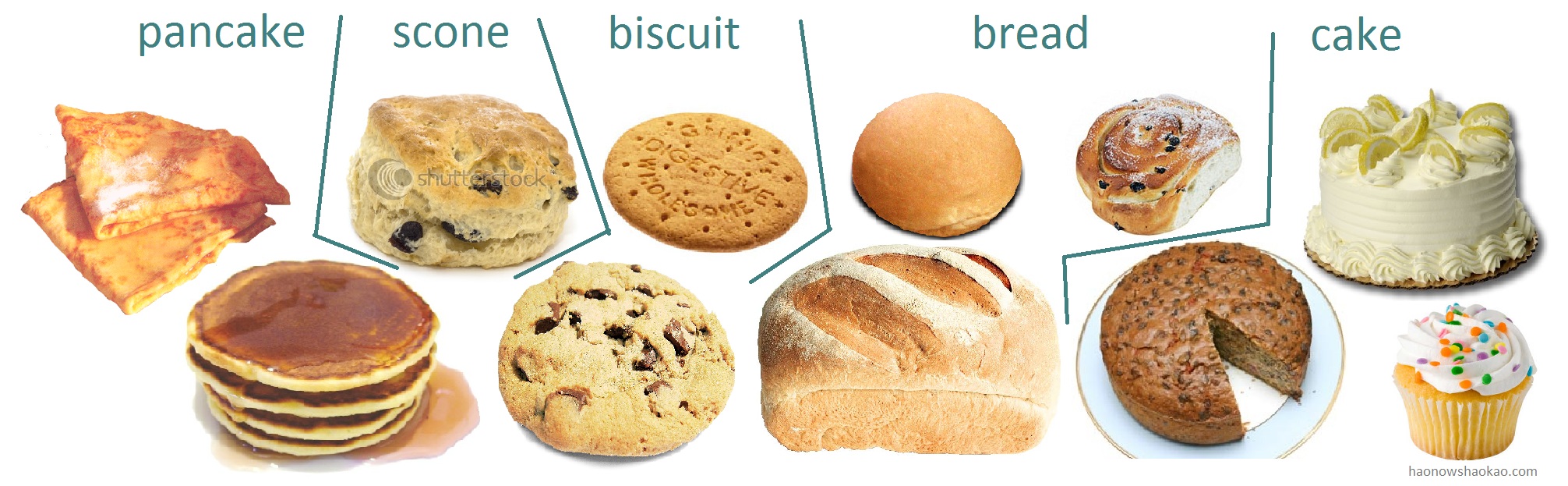
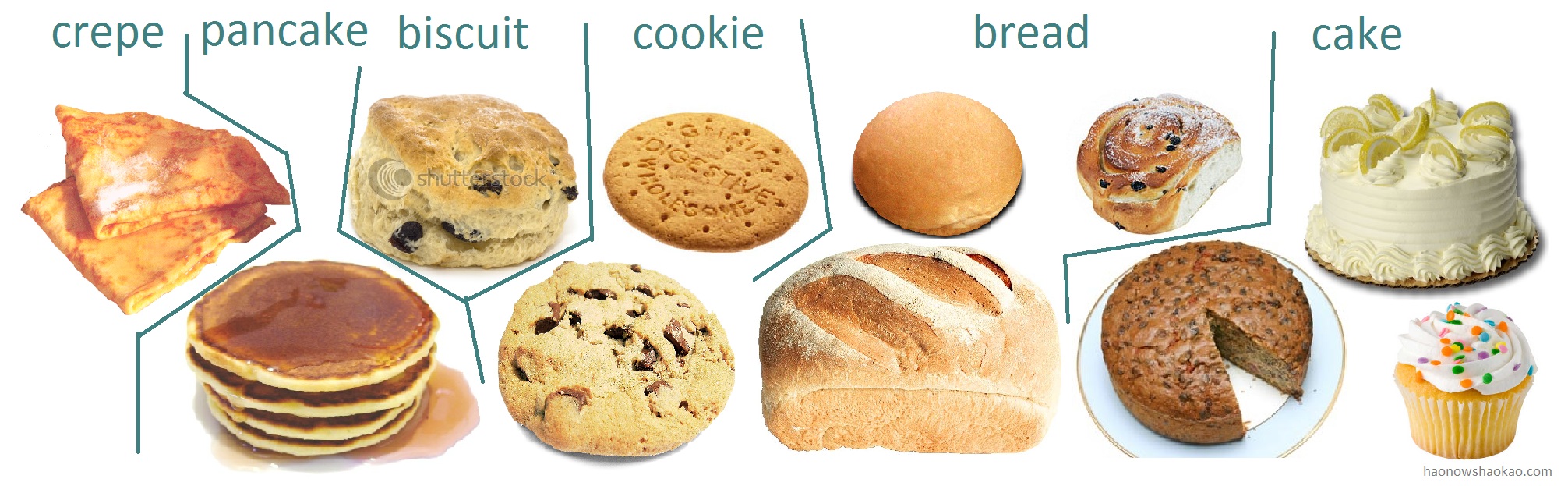
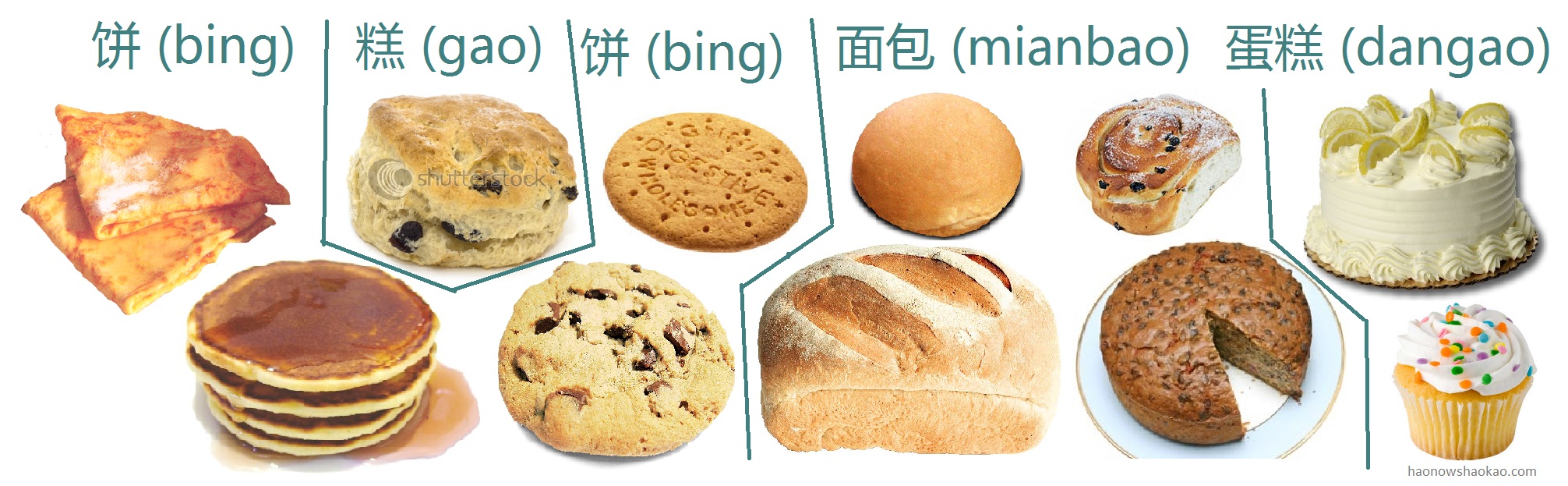
Categorisation of baked goods (and pancakes) in English and Chinese

British English

American English

Mandarin Chinese

Posted in diary, food tube | Tagged , , | 24 Comments