
There’s a new thing of mine in the latest Cassiopeia Magazine. Not journalism or fiction, just some highly facetious rambling replies to e-mails I was mistakenly sent.
If that sounds like your kind of thing then you can find it here, on page 32.
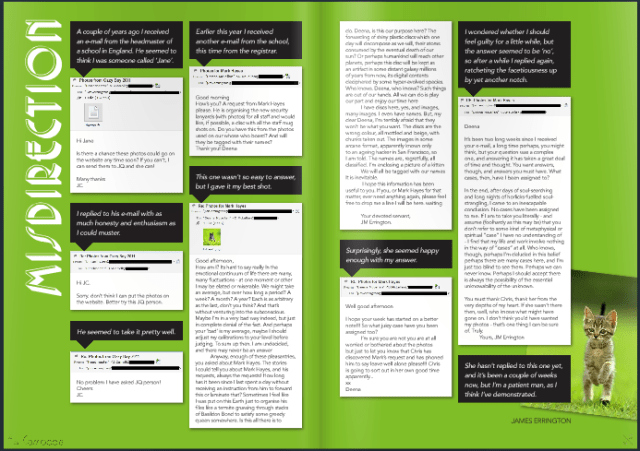
There’s a new thing of mine in the latest Cassiopeia Magazine. Not journalism or fiction, just some highly facetious rambling replies to e-mails I was mistakenly sent.
If that sounds like your kind of thing then you can find it here, on page 32.
As anyone who’s attended my “pet hates” English corner will know, I’m not a fan of dubbed TV and films. As an example of a pet hate it works well – it’s accepted by society at large, but annoys me on an almost visceral level, and I’m eager to recruit others to the cause. The reasons I give are:
1. When lip-movements and speech don’t match the film will always look ridiculous, especially when the languages have different speeds.
2. A film is a piece of art and replacing the voices of the actors is an insult to everyone involved
3. The translation will always be mangled in order to match lip movements
4. Countries that use subtitles for English-language TV have a better standard of spoken English than countries that dub everything.
The last point here is a nice final flourish for a classroom full of people who are trying to improve their proficiency in the language, but to be perfectly honest it’s nothing more than a guess, based mainly on the experience of meeting Scandinavians with untutored near-native English, but also on travel to France and Italy where (despite the huge amount of tourists there) I’ve found the opposite.
Last year the international English-training school EF produced a study called the “English Proficiency Index” – a survey which “benchmarks English proficiency across 54 countries using a sample of just under 2 million people.” (The full report can be downloaded from the website here) Looking through the figures, I thought it would be a good chance to see whether my hunch was correct. Would countries which dubbed TV have worse English, or would my idea turn out to be based on a couple of outliers?
For comparison I went to the Wikipedia article about dubbing – one of the messiest, most poorly-written articles on the site, but one which has a useful map of the different forms of dubbing used in different countries. Some countries only dub children’s cartoons, some dub most TV (either in their own language or one they can understand) and then there’s Russia, where they don’t bother dubbing at all, instead having a single actor reading the script in a monotone over the soundtrack.* Europe was the area best-covered by both the study and the map, so I focused on this area for now.
The EPI has a score out of 100 which is divided into levels of proficiency – from Very High Proficiency to Very Low Proficiency. Most countries in Europe have scores above 55, and the majority have a High Proficiency ranking or above, but there’s still a substantive variation
Here’s the comparison of the study and the map. I think it speaks for itself.
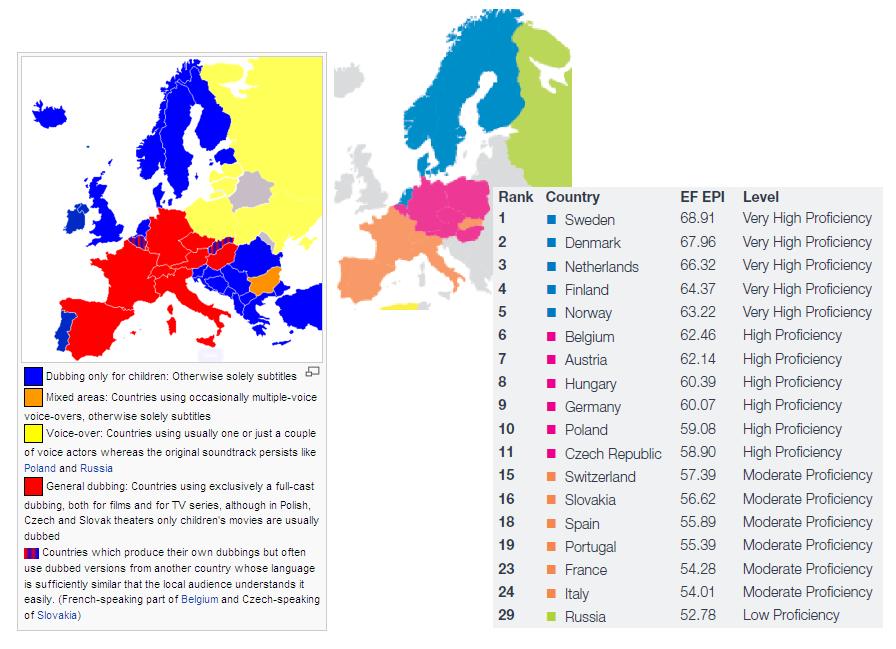
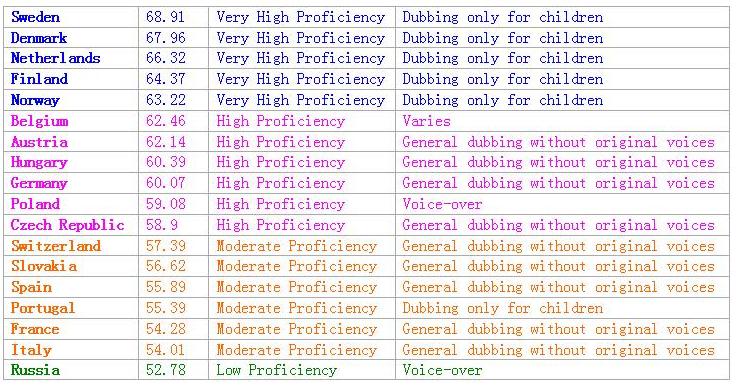
There seems to be a definite correlation, then – though of course we can’t conclude that this is definitely the case, it at least looks more likely. The two countries which don’t fit into my idea are Portugal, which surprises me as I met people there with much better English than in Spain, and Poland – which is surprisingly high up the chart considering they use the dreaded voiceover method. On the whole, though, I think I’ll be able to express my idea with more confidence now.
*It astonishes me that an entire nation could put up with this, but there are lots of surprising things about Russia.

This year’s Chinese zodiac mix is about snakes.
It’s two months late. Sorry, been busy.
Here is the link, you can right-click to download. Or go here to see it on libsyn in all its crappy broken html-frame glory.
Tracks:
1 – The All Seeing I – Snake I [Edit]
2 – Test-Icicles – Boa vs Python
3 – Tiny Tim – The Viper
4 – Glen Velez – Snake Eyes
5 – Captain Beefheart – Black Snake Moan II (1972 Radio)
6 – Mogwai – Glasgow Mega-Snake
7 – Her Space Holiday – Snakecharmer
8 – Sterling Holloway – Trust In Me (The Python’s Song)
9 – Ford & Lopatin & Shannon Funchess – Snakes
10 – Sufjan Stevens – Year of the Snake
11 – Ivor Cutler – Sleepy Old Snake
12 – Liliput – Feels Like Snakes Twisting Through The Fog
13 – David Arnold – Mongoose vs. Snake
14 – Underworld – Shudder / King of Snake (live)
Plus the usual collection of speech clips, see how many you can spot.
Next year we’ll be looking at horses. Suggestions about songs or bits of dialog are welcome.
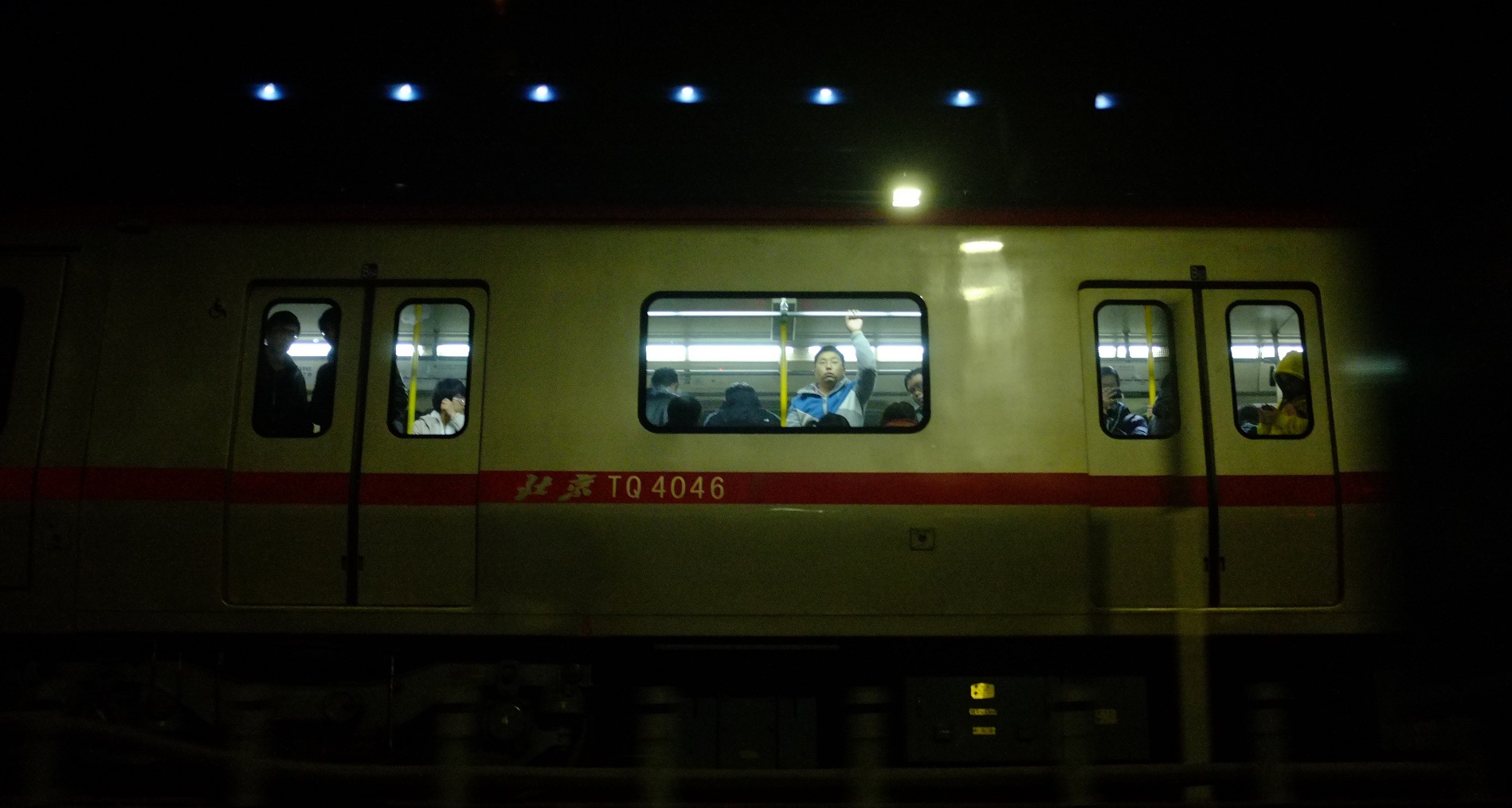
Being a typical 21st century family man in Beijing, I spend around 10-15 hours of each week commuting to the centre of town. This, all-in-all, is ok. It’s not like a couple of years ago when I used to use the subway during the rush hour. I filmed a typical day’s travel back then, and despite a few other lines opening it’s still pretty much the same now. Nobody seemed terribly impressed by this video when I first put it up, but it still looks like something I never want to do again, especially on a daily basis.
(Some notes for this video – the first minute shows people attempting to get on at each stop – after two stations the train is full and all the commuters are left on the platform. So if you live between Shuangqiao and Gaobeidian good luck getting to work in the morning! Then there’s the twenty-minute slow walk between platforms at the interchange and the scramble to get on the next train. Finally we have the great mass of people fighting to get on / off at Jianguomen, where it typically took the arrival of five trains to get your way to the front if you arrived at 6pm.)
These days I’m fortunate in that I don’t need to travel at rush hour, and that there’s a bus that goes the whole way – a fairly nice one where I can sit down, listen to music and podcasts, and generally have a more relaxing time than I have either at home or work.
When I started taking the bus, the problem was the queue. Chinese people, as has been noted a great deal elsewhere, don’t queue, and the scrum at the door of the #669 every evening did nothing to dispel this idea. As an English person I have an ingrained conviction that queueing is the cornerstone of civilization, and taking part in a fight every day in order to get home, well, my faith in China was starting to be shaken. That was until I discovered the secret – some bus stops have a clearly demarcated fence and somebody to police it. Take a look at this little beauty –

A straight line, no branching out in different directions, nobody making a second queue next to the first one – we could almost be in England. Then there’s this one – a hundred yards long and still in perfect order.
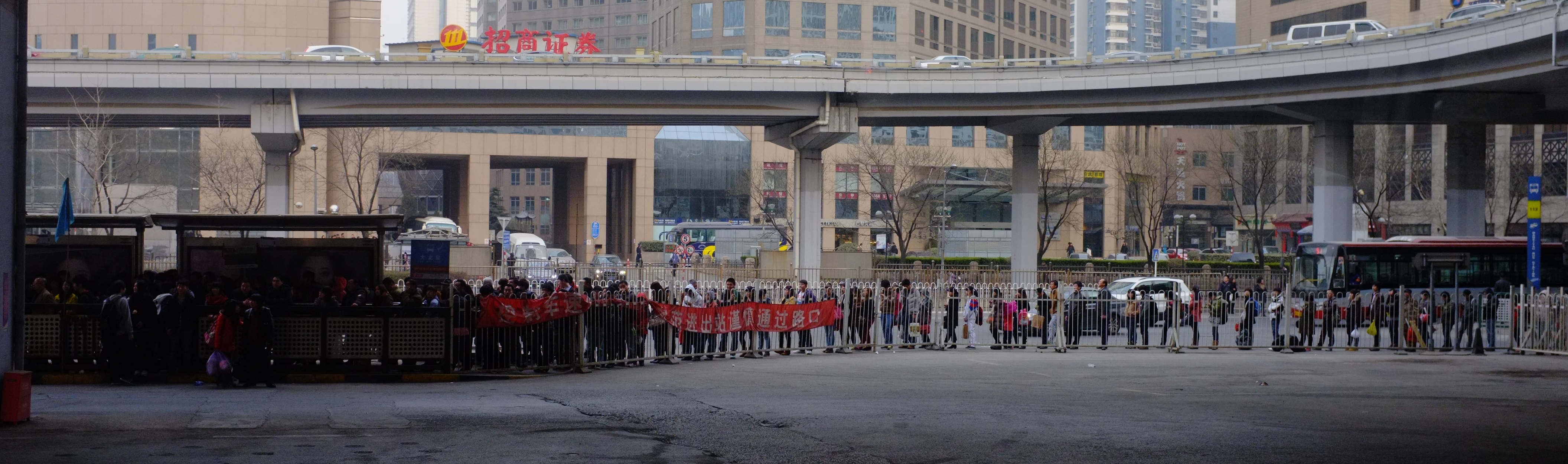
The best variation, one which I haven’t taken a photo of as I’m generally standing in it, is the queue for the #807. Two queues, in fact; one for people who want a seat, and one for those who don’t mind standing. When the bus arrives the first queue files on, then when the seats start to run out the first queue stops and the second starts. It’s more organised than anything I’ve seen even in the most well-mannered parts of the UK, and (as stupid as this may sound) it’s gone some way to restoring my optimism about China.
Except when a lazy bus driver opens both doors and the scrum re-appears. But let’s not mention that.
If you know what this is, then you know what this is.
Click image for bigger.
Please leave your complaints in the comments box.

Previously; “China, translated”
It’s Qingming (“Tomb-Sweeping”) festival today, but it’s my day off anyway and miserable weather outside, so little to report. Last year, though, we went down to Hubei to visit V’s ancestral hometowns, tend to tombs, etc, and it was quite fun.
Here’s the video I filmed at the time. Watch it if you are for whatever reason interested in 12 minutes of my home videos or possibly if you’re an ethnographer studying the area.
AKA The Sinful Priest / The Sin of Father Mouret / Abbé Mouret’s Transgression / The Demise of Father Mouret

After the tedium of La Conquete de Plassans I was reluctant to pick up another book about the misdeeds of clerics in rural France, but fortunately this time my initial feelings were entirely mistaken. Despite weaknesses with both start and ending (and the continuing tendency of Zola to devote multiple chapters (in a row!) to elaborate descriptions of nature which occupy much of the middle third) this book is still a near-masterpiece. The central conceit – that a feverish priest loses his memory and falls in love with his carer – seems utterly glib when spelled out, but the thought Zola puts into the philosophical implications and the sheer primality of emotions delved into render any criticisms completely irrelevant.
Translation
Again unable to get my hands on any more recent translations (two from the 1950s and 1960s, both out of print) I’ve had to resort to our old friend Ernest Alfred Vizetelly and his reliably-out-of-copyright versions. This one’s been roundly criticised for its Bowlderisation, and unlike previous entries the prudery is on open display. Compare book 2 / chapter XV in the original to the same chapter in the translated version (google translate does a pretty good job here if you can’t read French) – and you can see what a terrible squeamishness he must have had about describing the two lovers. Anyway, the story survives nearly intact.
Historical Background
Little or none here – it’s a simple enough story, moreorless divorced from detailed historical context, aside from that of the general decline of the church in 19th century France.
Story
The book begins with another grand opening set-piece – Father Serge Mouret presiding over mass for an empty church. A young priest, fresh out of seminary, he’s been assigned to a remote village where none of the locals care at all for either the teaching or practice of religion, apart from the usual weddings and funerals. The rest of this first section is used to introduce the principals – humorless busybody housekeeper Le Teuse, misanthrope (and utter arsehole) Brother Archangias and Serge’s mentally disabled nature-loving sister Desiree – before the sickly Serge stays out in the cold too long and catches himself a nasty fever.
In a nifty device which goes on a bit too long, we are then led through a series of flashbacks detailing his life so far – the childhood devoted to worship of the Virgin Mary turning into a youth spent worshiping Mary and a career at the Seminary, well, you get the idea. This idea – the sublimation of sexual desire onto religious iconography – has been done to death now, but at the time it must’ve been quite daring, and possibly even insightful. Right now, though, it just seems a little tame – if this is what you’re after you’d be better off with William Golding’s The Spire.
Seeing him so ill, his uncle Doctor Pascal transports him to the house of a local atheist, a curmudgeonly old sort with a young niece, Albine, who officially lives in his house, but is effectively feral, living in the house’s immense, overgrown environs. She’s given the job of looking after Serge until he’s recovered, but when he wakes up the sickness has left him unable to remember anything much beyond his name. Having dreamed of The Virgin, he shifts his idol-worship to Albine. She gradually brings him back to the world of the living, then introduces him to the world of nature outside.
This is where the book really comes alive – the next few hundred pages are effectively one long rapturous hymn to nature, as the two innocents wander around in the gardens for weeks on end, their minds entirely free from barriers to the beauty and drama of the world around them. In theory this could be grating, pretentious or even nauseating, but the way Zola gives everything over to this vision is nothing short of astonishing. The fact that reading multiple chapters largely consisting of descriptions of beds of flowers (and in a poor translation too) left me enthralled is testament to this.
Of course, these tableaux are accompanied by a romance – the two innocents very gradually progress towards being lovers – and each chapter includes the tiniest of baby-steps in their romance. This also could have misfired terribly, but it just works somehow. Their interactions aren’t sappy or clichéd, because they don’t have anything or anyone to copy. They are two new people, without any baggage, free to explore the world, a new Adam and Eve. Of course, as they finally do consummate their relationship, their happy days are over – not due to any discovery of original sin, but just because the interfering Brother Archangias has discovered the pair, and snatches Serge away to return to the cold church and recover his memory.
The last third of the book deals with his recovery, during which he returns with renewed fervour to his real home – Christianity. He’s wracked with guilt on both sides – for the betrayal of his vows and the betrayal of Albine. Gradually he begins to get back to how he was before, until news reaches him of Albine being ill herself. Soon after she pays him a visit, and he’s thrown back into conflict – his love for her seemed like the purest, most natural thing, but so does his devotion to god. After tearing himself apart for a while he finally goes to see her again – but now it is winter, and the gardens are unable to put their spell on him. Albine realises that, despite his protestations, his heart and mind are devoted entirely to his very personal religion, and he cannot be hers.
As Serge returns to the church, the matter resolved, Albine decides to die with the flowers, making a great heap for herself and lying on them until she dies from either cold, hunger or exposure. As set-pieces go, it’s not quite up there with the start, but the point is well-made. The book closes with Albine’s funeral, a seemingly emotionless Father Mouret going through the motions of the latin service, and Desiree finally interrupting with her excitement about the birth of a new calf. Nature will continue.
Naturalism
The grand scheme of Naturalism seems to be invisible until Zola’s recurring author surrogate Doctor Pascal turns up for one of his visits at the church. Seeing Serge in his terrible state and his sister obsessed with her animal dependents, he comments that
‘Yes, yes! there should be nothing but animals. Ah! if they were mere animals, how happy and gay and strong they would all be! It has gone well with the girl, who is as happy as her cow; but it has gone badly with the lad, who is in torture beneath his cassock. A drop too much blood, a little too much nerve, and one’s whole life is wrecked! … They are true Rougons and true Macquarts those children there! The tail-end of the stock; its final degeneracy.’
A heavy-handed crowbarring-in, sure, but if we’re to be fair, the rest of the story has earned it. As much as the plot may read like a naive hippy fantasy of a new Garden of Eden, the sting in the tail makes it darker than anything so far. We have all of this beauty in front of us, but contrive hideous, complex ways of making ourselves suffer, deny both pleasure and freedom and become heartless, callous creatures. This is Zola’s indictment of religion, and it really is a powerful, fundamental one.
Film
There’s one adaptation from 1970, called (very oddly) ‘The Demise of Father Mouret’ in English. It has fairly negative reviews on IMDB, and the one clip I can find from it (Albine lying down to die among the flowers) looks pretty rum. Someone should have a better go at it.
#11 – 老杨家炉包: Not sure if it was worth the trouble.
It was at this moment that the trip finally started to spiral out of control. The subway journey was ok, but when we arrived it was verging on rush hour, and it proved very tricky to find a taxi, and even then the first couple of drivers had no idea where the place was. Fortunately the third driver was actually from Beijing, and took us twenty minutes down the road to another booth.
Price: 3.5¥ each
Location: 亚奥国际酒店,Datunlu

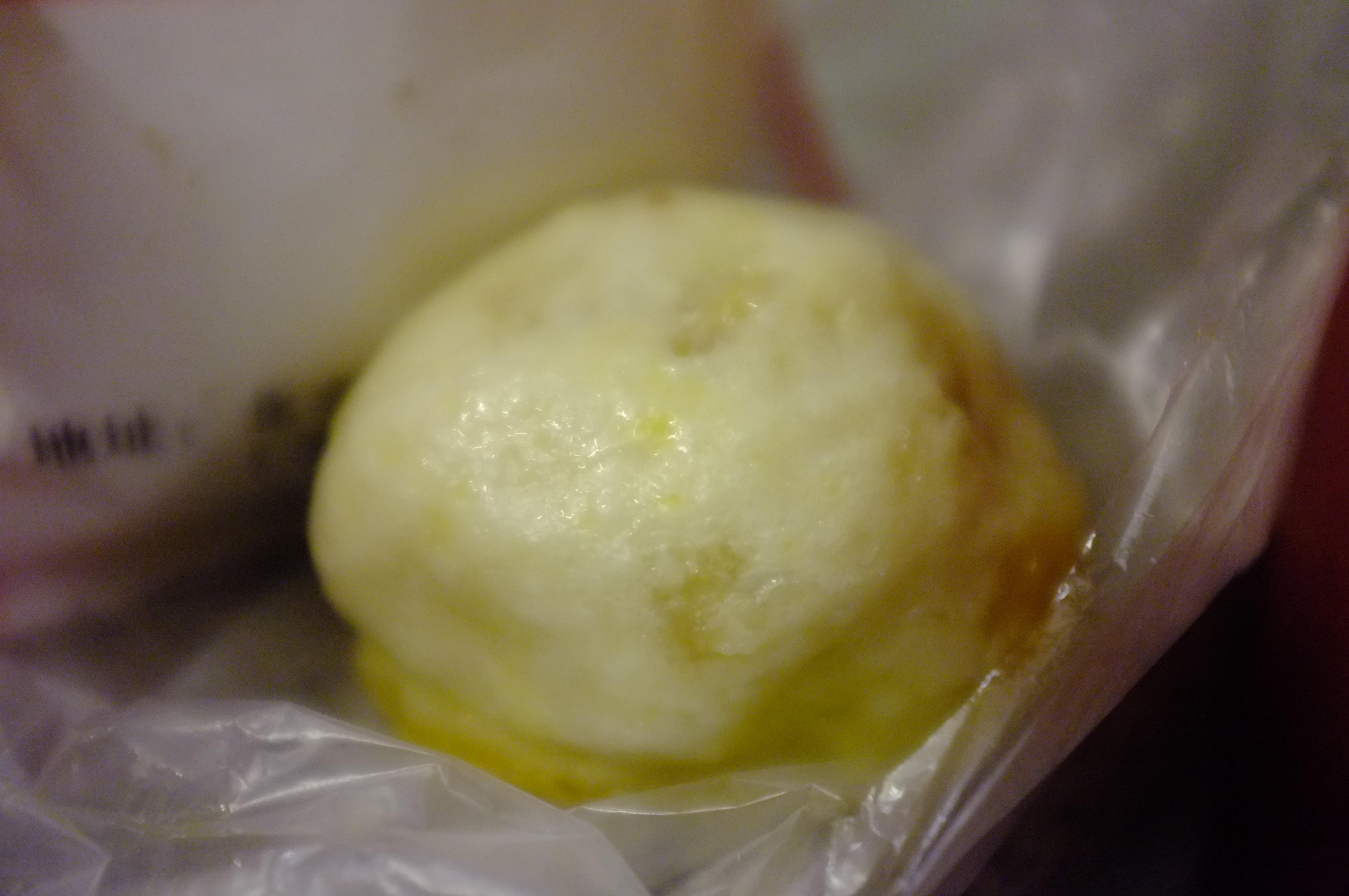
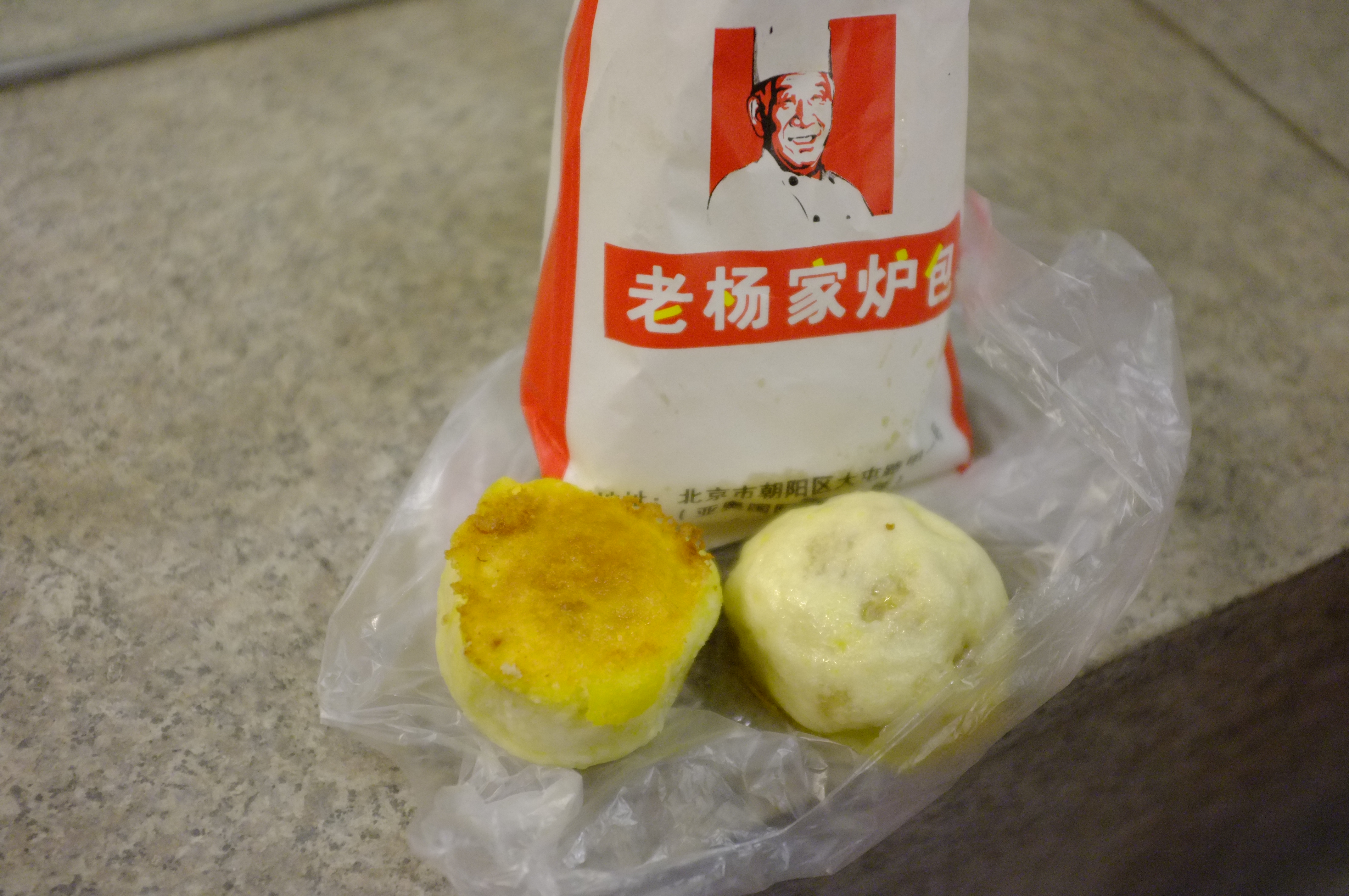
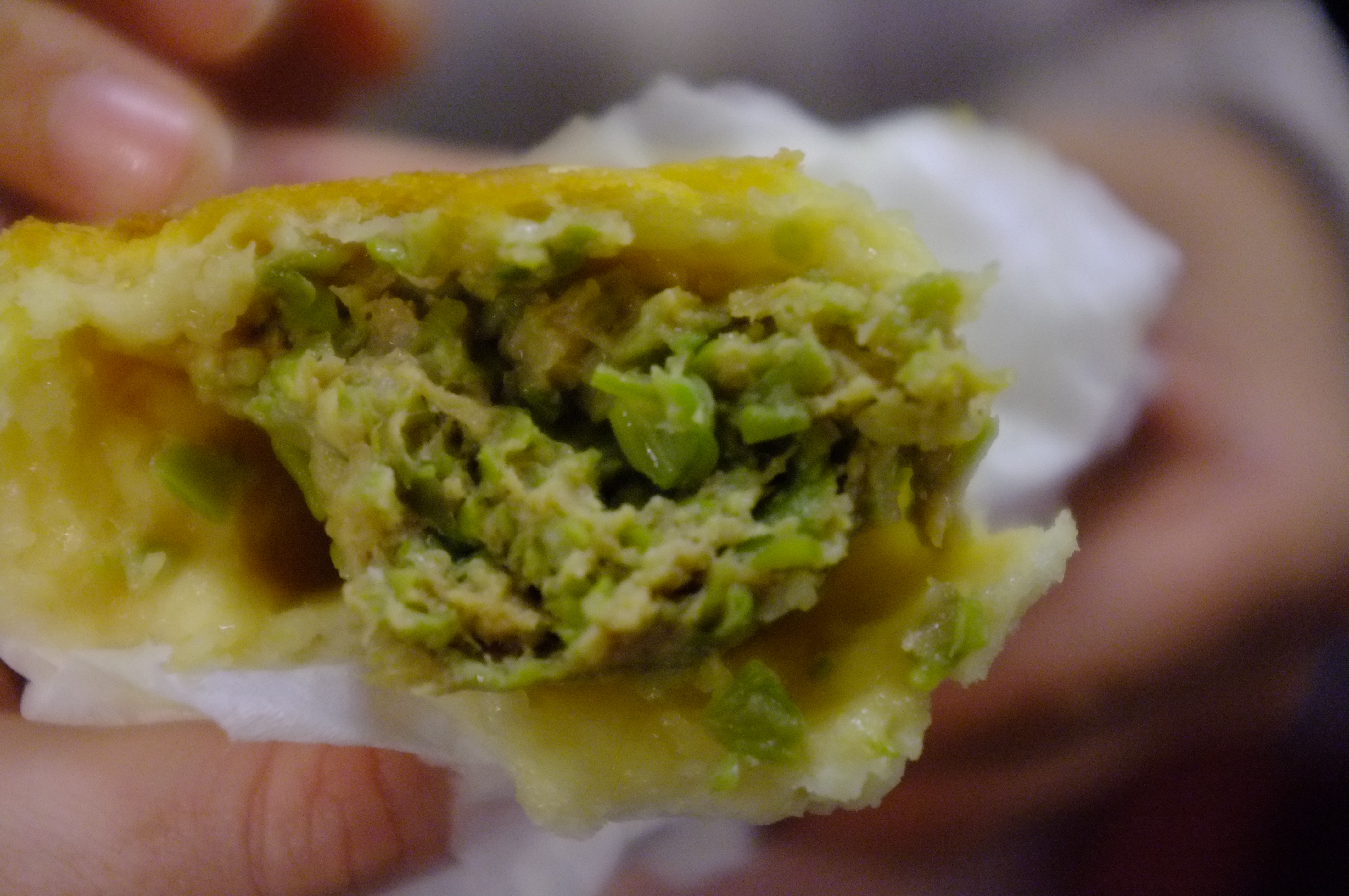
James – Very light these – a fluffy texture and a mild flavour. Is that good? At this point I want the baozi to stand out, and though these are a bit different, they still don’t. Pleasant and inoffensive doesn’t cut it any more. 6/10
V – Compared with the usual Shanghai fried baozi they aren’t really good enough, but for North China they aren’t bad. The skin is not perfect, it’s too thick. Here they are called ‘lubao’ but I could swear they’re what we call ‘shengjianbao’ in Wuhan. 7/10
Total score: 6½/10
#12 – 开封第一楼: What’s all the fuss about?
Another long journey, though this time only because it was now peak time, and the bus immediately became caught in a traffic jam. We finally arrived at one of Beijing’s most famous baozi restaurants, serving Henan style xiaolongbao. As the price difference was tiny we thought we might as well go for the crab ones.
Price: 38¥ for 7
Location: 276 DongsiBeiDaJie
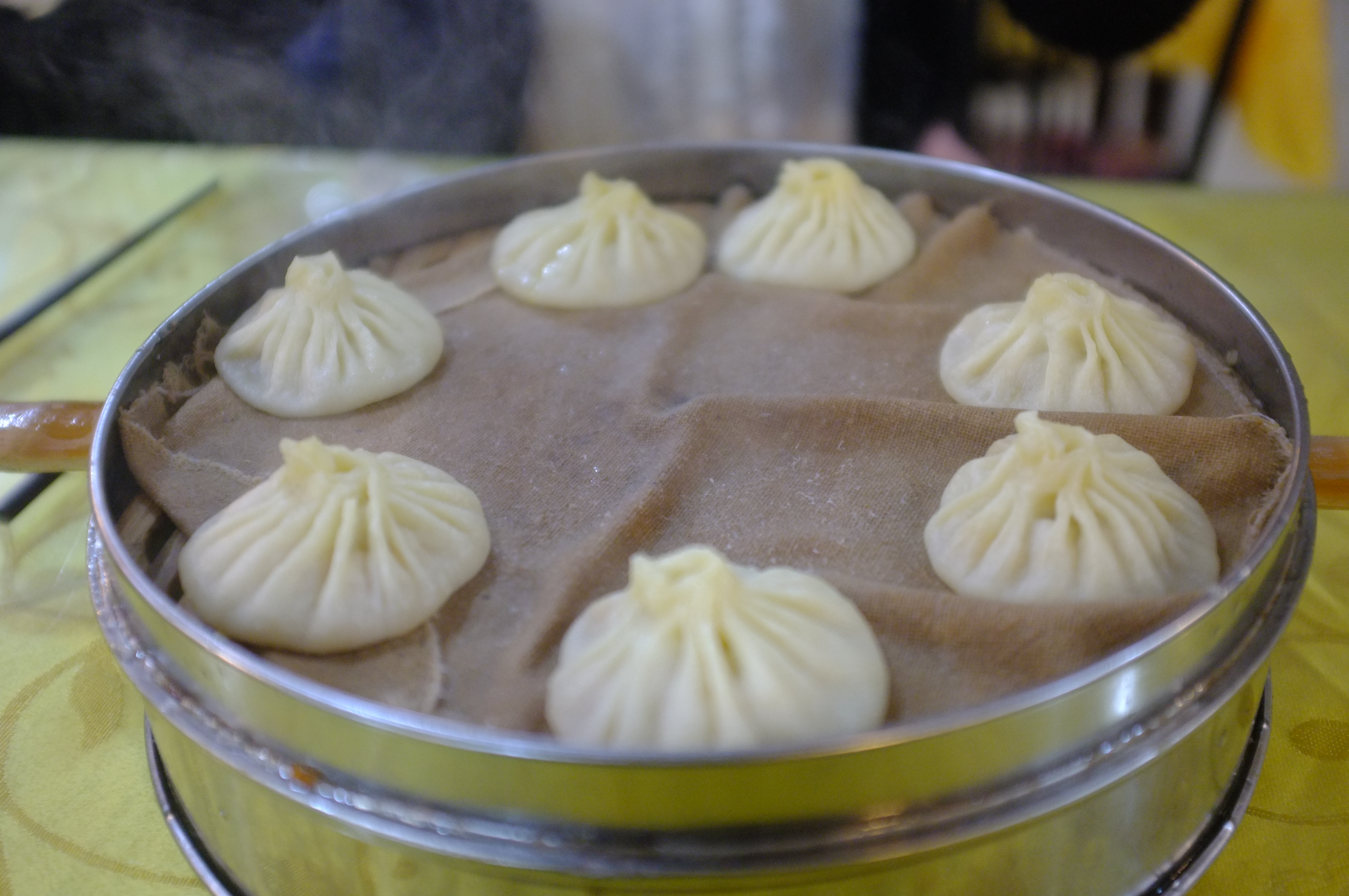
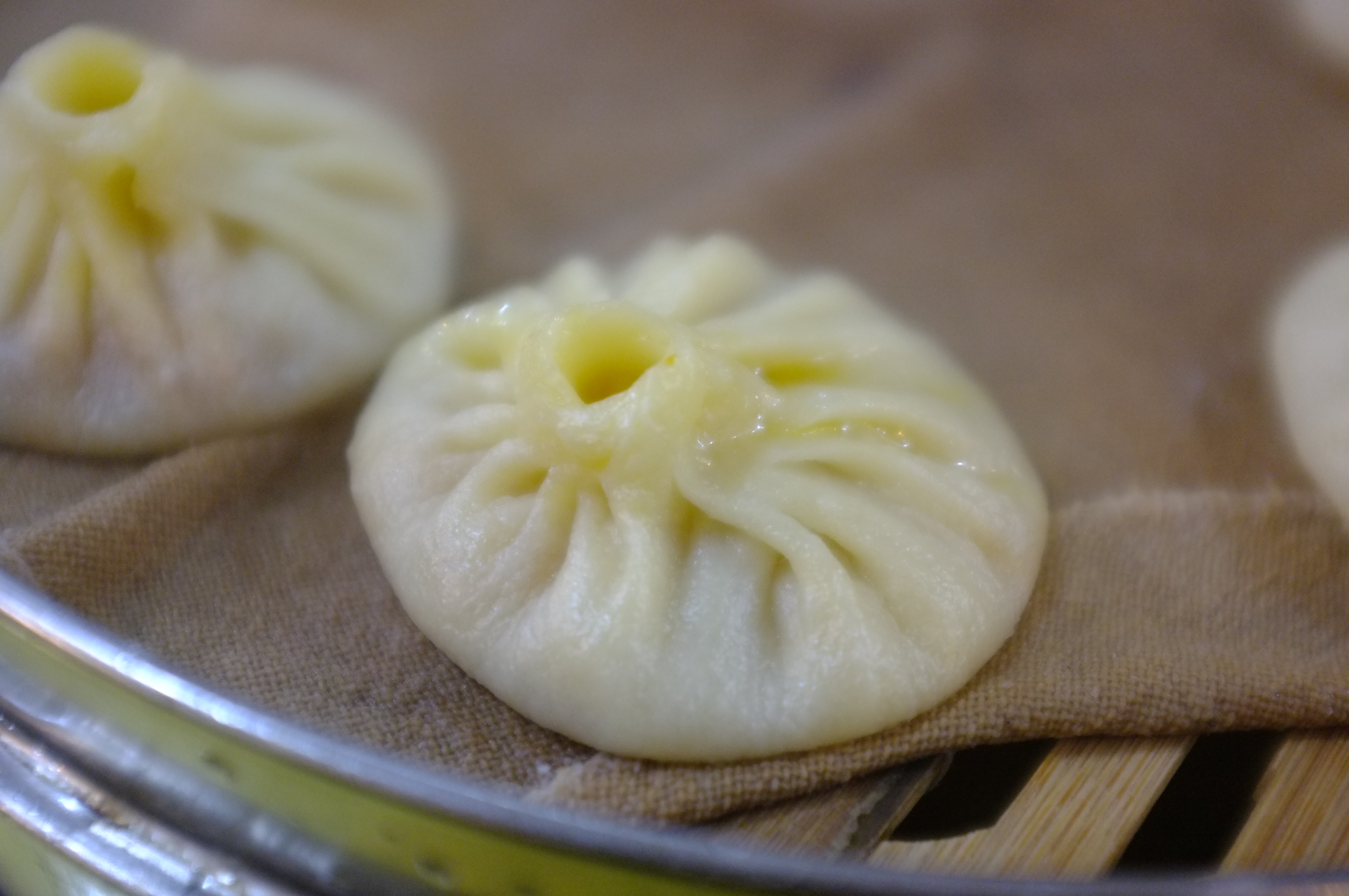
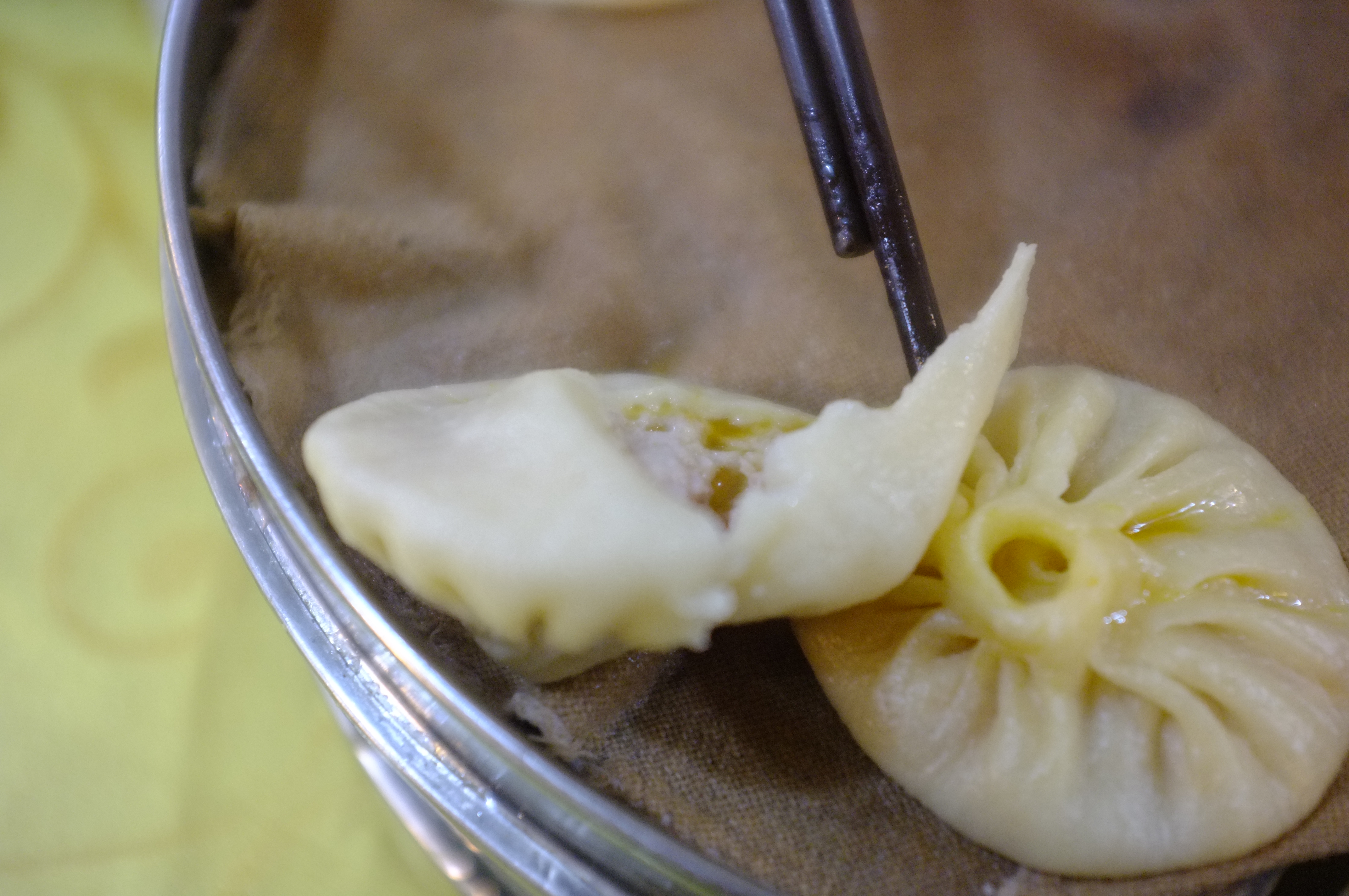
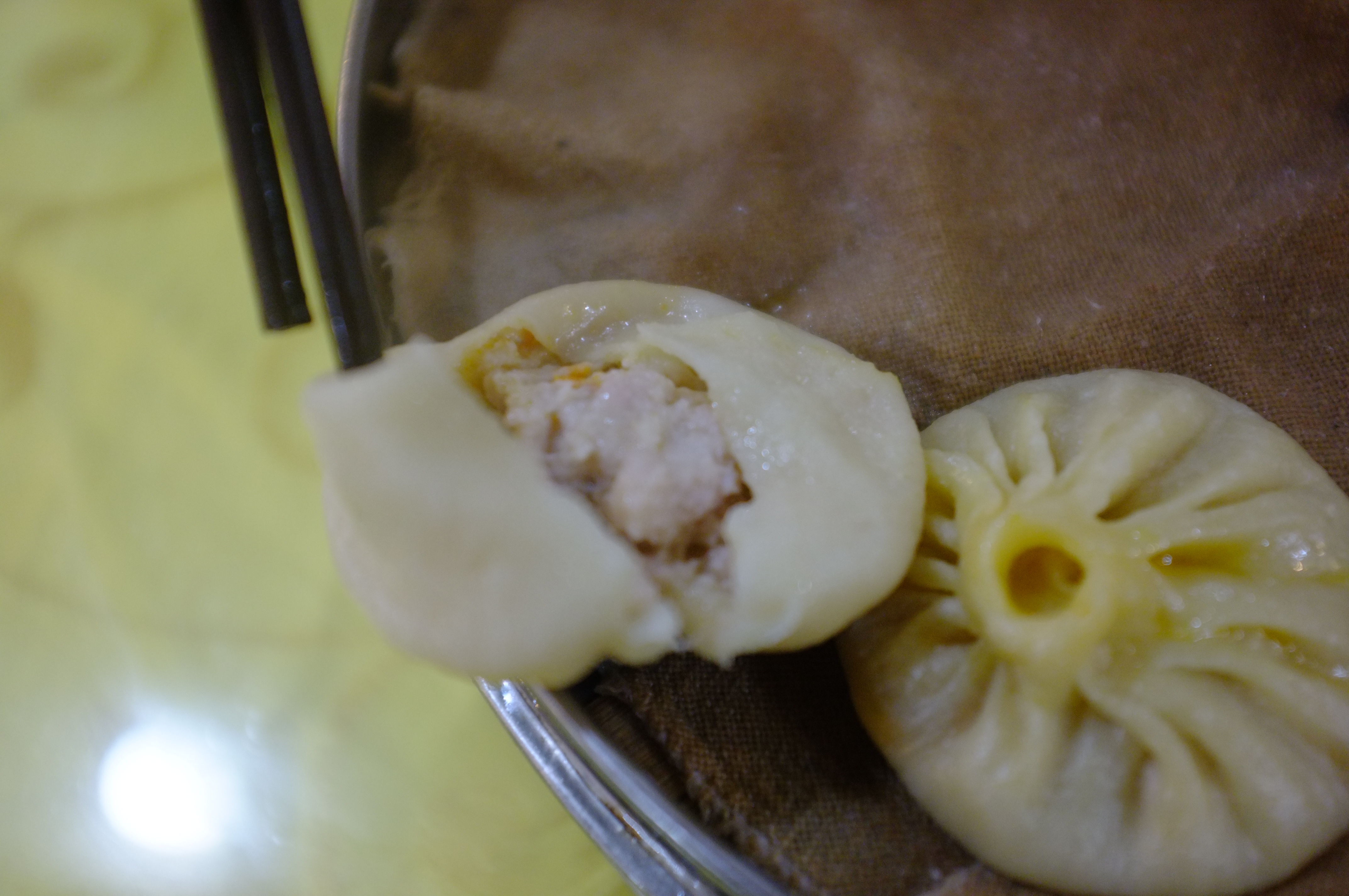
James – the casing is doughy and floury – to my mind this is too distracting from the filling. The crab inside is also a little too dry and powdery. A plain flavour to the soup, but that doesn’t necessarily mean a subtle flavour. It may be that I’m getting fussy now. 5½/10
V – The flavour inside isn’t too strong, which is good, but the skin is too thick and it generally doesn’t seem fresh enough. A little plain too. 6½/10
Total score: 6/10
It was evening by now, and by any sensible standard time to go home. We’d certainly eaten enough baozi to keep us going for a long while. But there was just time for one more stop. Or maybe two, why not two?
#13 – “Elegant Place”: High points for presentation
A short taxi journey and a walk over the bridge took us to the next place, called ‘Elegant Place’. The name was quite apt – inside it looked like a 1980s 5-star hotel lobby, with plastic roses on the tables and Richard Clayderman on the sound system. It was only 7.30, but the place was completely deserted. we ordered pork and Chinese radish xiaolongbao, which took them 20 minutes to bring to the table. Very strange all round.
Price: 20¥ for 5
Location: Dongsi Shitiao Lukou (northwest corner)

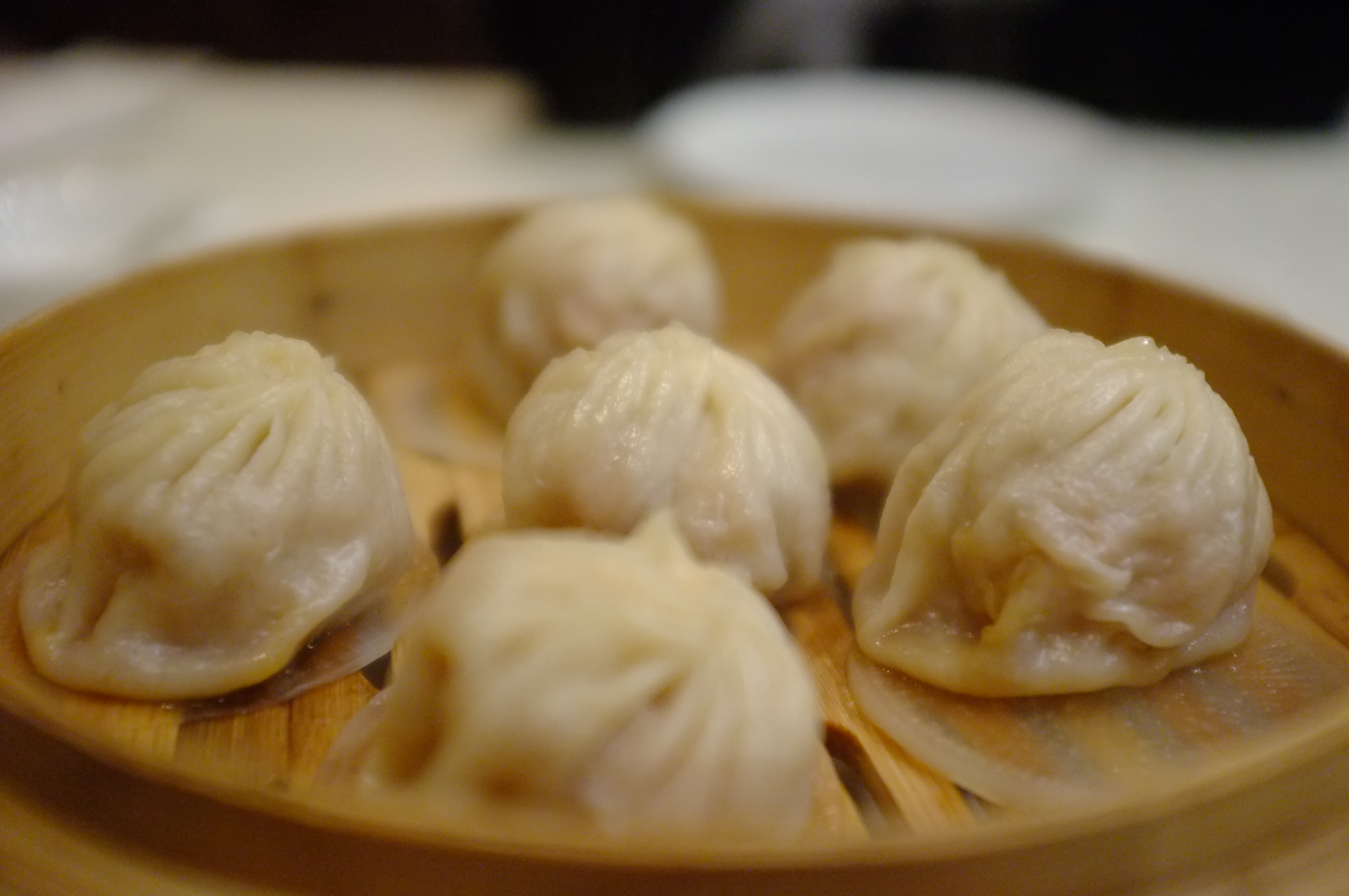
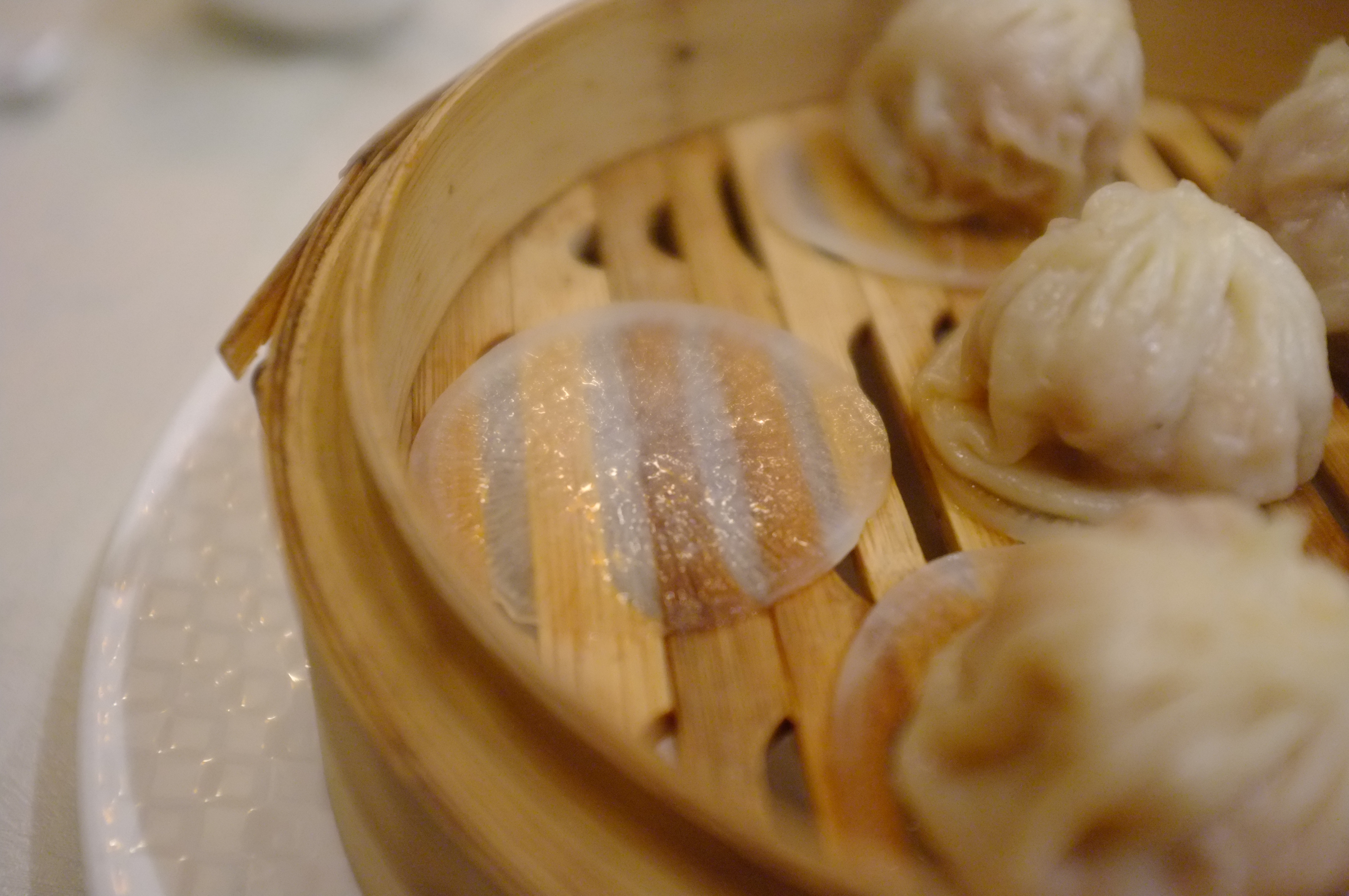
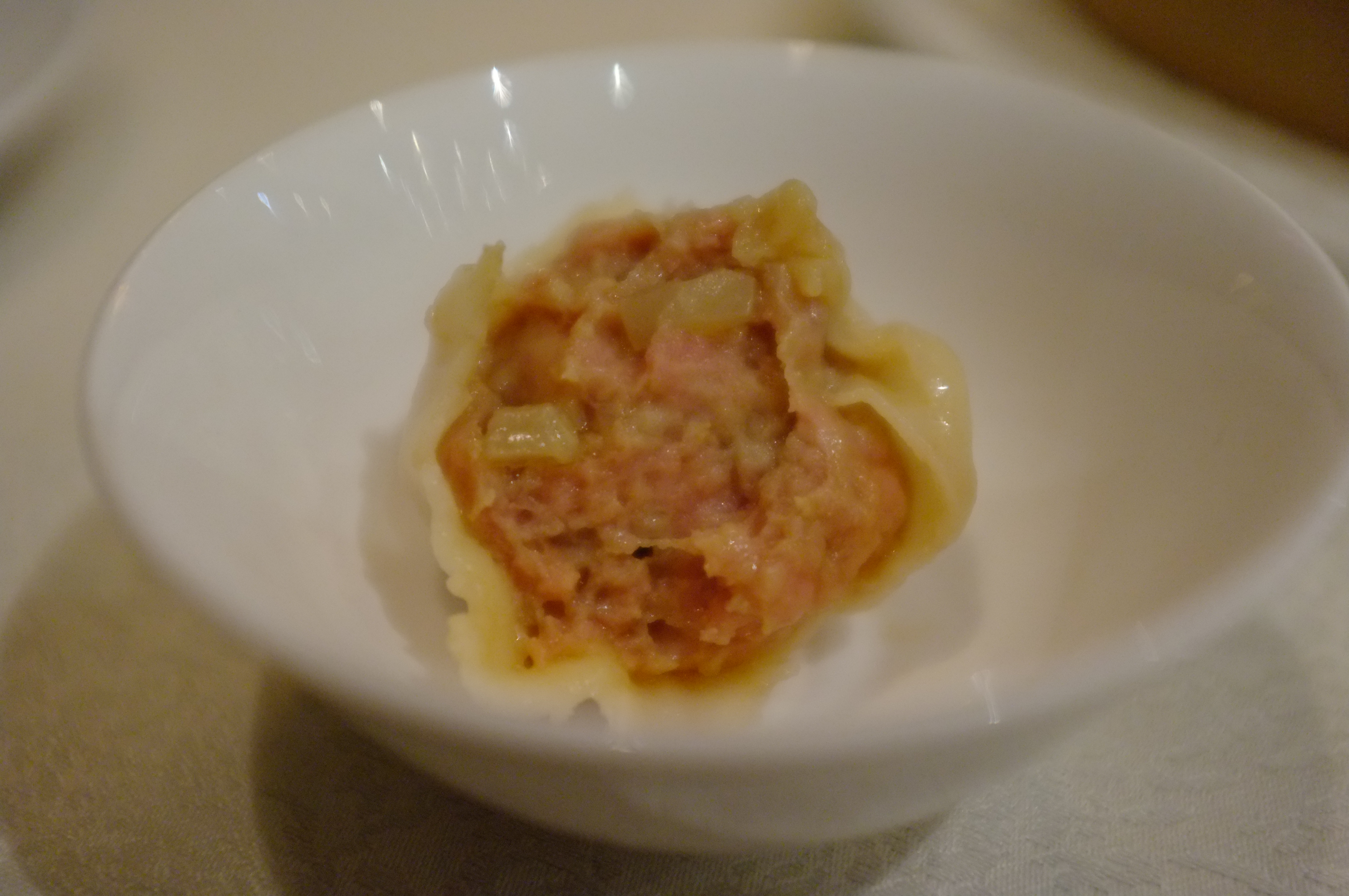
James – The baozi were very meaty with big chunks of steak inside. Quite a good flavour overall, with a hint of ginger. More like a dumpling filling than anything else. A bit too much meat, then, but the sweetened vinegar provided made for good dipping. A generous 7½/10
V – The skin is a failure. Too thick, sticky and chewy. The contents are just ok. These should score higher than the standard, cheaper ones above, but they don’t. 6½/10
Total score: 7/10
#14 – Jingdian Shanghai Xiaolong Tangbao: A fitting ending.
Our final stop was a short bus journey away in Sanlitun, which was by this point starting to fill up with people having a snack before they went out to a bar or clubbing – a strange feeling when you’ve been out all day and are heading home. We took the last table and bought a single bowl of pork and crab xiaolongbao, which surprised the staff.
Price: 16¥ for 3
Location: Sanlitun Village North Gate

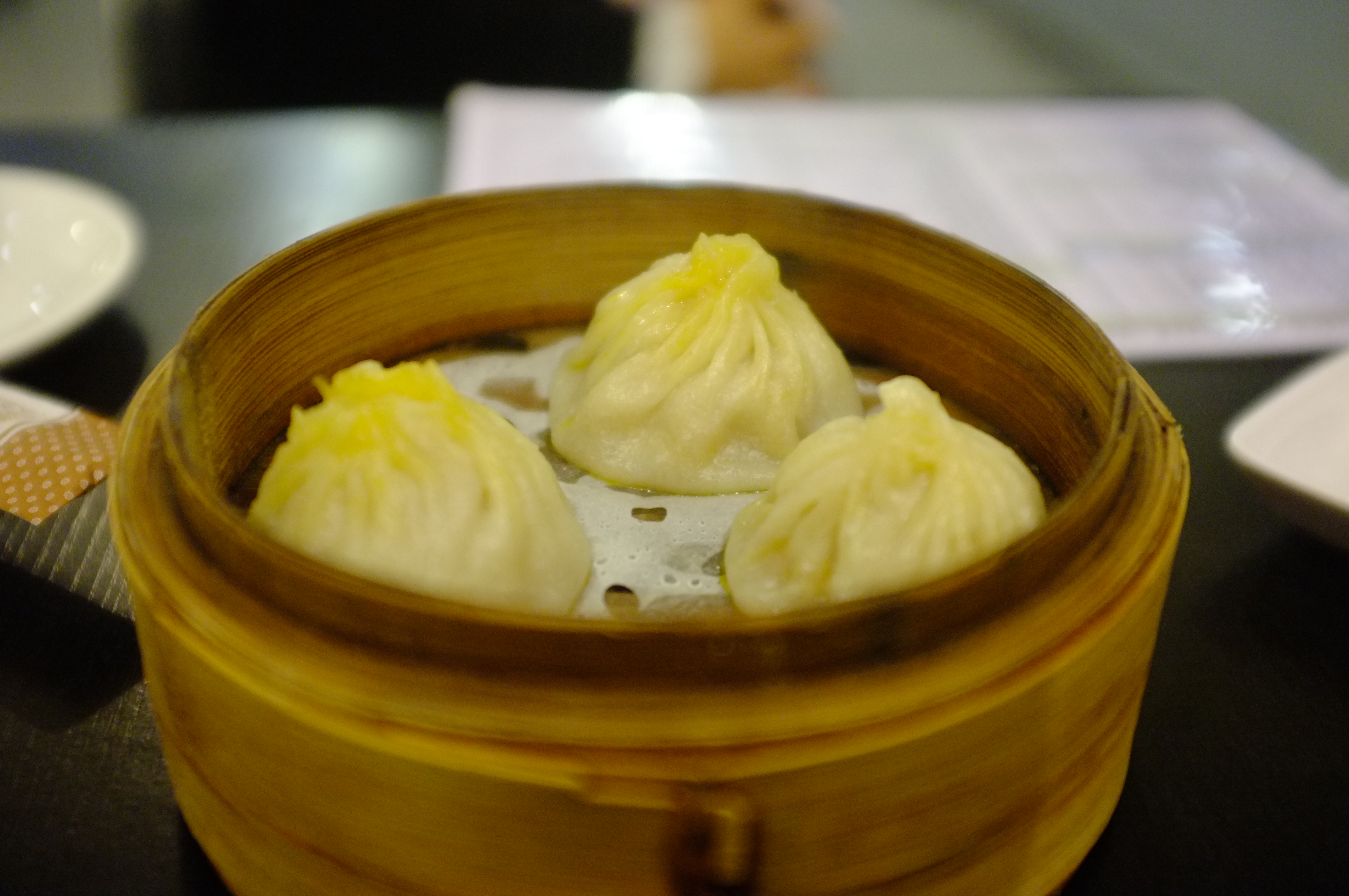
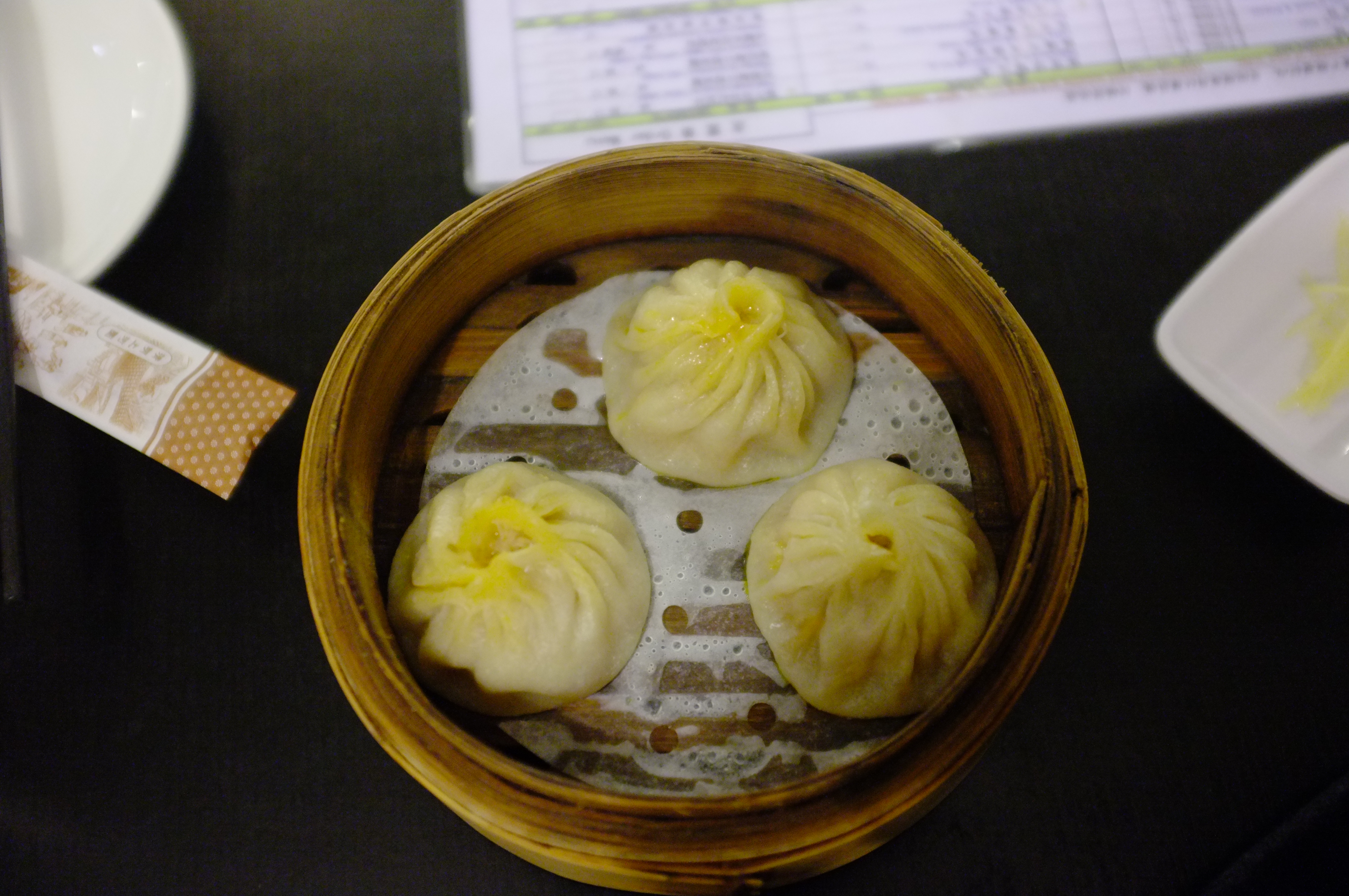
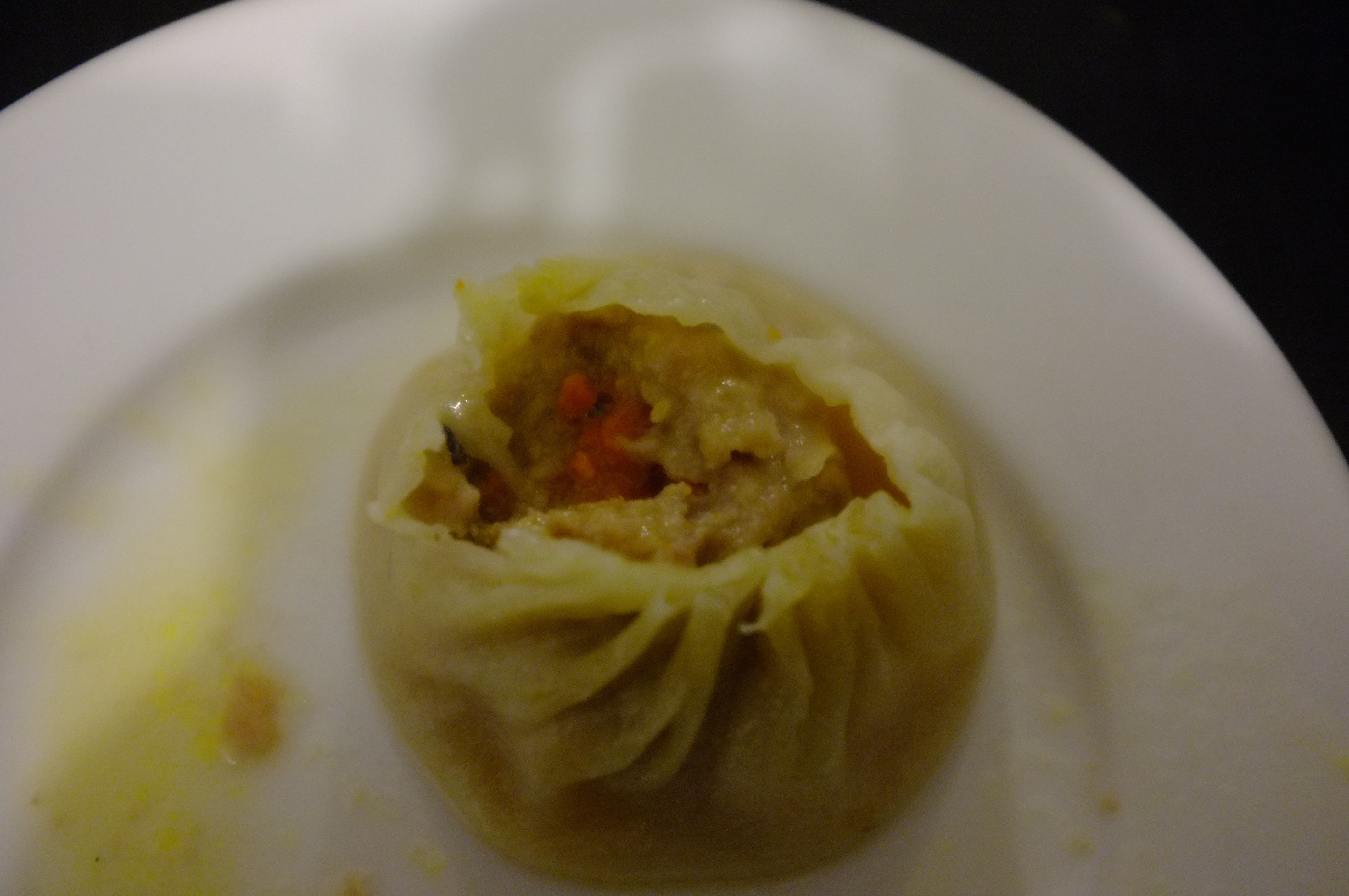
James – Lots of soup inside these, with a very pleasant savoury taste. You can tell they are made from quality ingredients. The meat inside, well, it’s not perfect, but it’s the best we’ve had since brunch. 8/10
V – The vital thing for great baozi is the skin, and this skin is perfect. The soup is delicious, the crab is fresh and oily, it’s all here. My favourites today. 9/10
Total score: 8½/10
….and that was it for then, we headed off home, ‘chi bao(zi) le’ (though, to be fair, nine servings of baozi between two people for three meals isn’t exactly glutton level). There had been some great finds, some terrible ones, and a great deal in-between. Here, for reference, is our score-sheet:
7 Eleven – 0½
GuHuai BaoDing – 4
Dingtaifeng (chicken) – 5
开封第一楼 – 6
Wangpanzi Lurou Huoshao – 6½
亚奥国际酒店 – 6½
“Elegant Place” – 7
江南大包 – 7
Dingtaifeng (pork & crab) – 7½
Achunjia – 7½
唐宫海鲜舫 (xioalongbao) – 8
唐宫海鲜舫 (chashaobao) – 8½
Jingdian Shanghai Xiaolong Tangbao – 8½
Baorui Mending Roubing – 8½
Laomanbaodu – 8½
A Wen Shanghai Restaurant – 9


 | Jany Lin on Chinese Map Of Europe |
 | Anonymous on Does dubbing TV harm language… |
 | Delia on Forgotten 90s bands – Ph… |
| Jaka on Equally Divided Europe |
 | haonowshaokao on Britpop Nuggets Part One: Some… |


 haonowshaokao